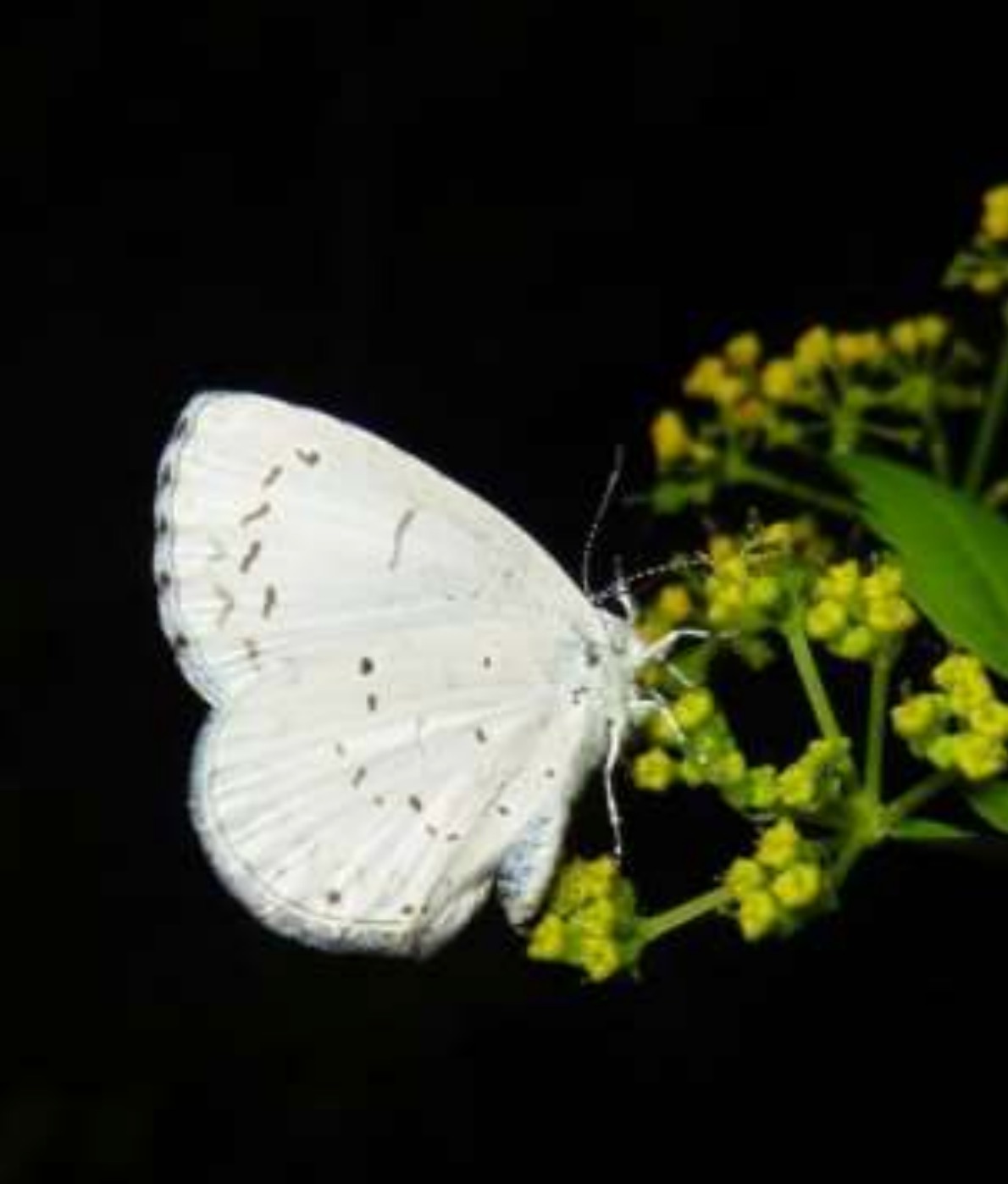
Late in the 19th century an unusually large and pale “Summer Azure” was being studied throughout the Appalachian range of the east, and evidence for a completely new species was beginning to emerge. Eventually studies would prove that this mountain species of azure was indeed distinctly different.
Tag Archives: butterfly
Yesterday I picked my first ripe pawpaws (Asimina triloba) of the year. The pulp was delicious. I then sliced the skins lengthwise and put them out skin side down on […]
We have a tiny yard in downtown Charlottesville. The following is a running list of species observed in 2011. The list only shows the first time a species was noticed […]
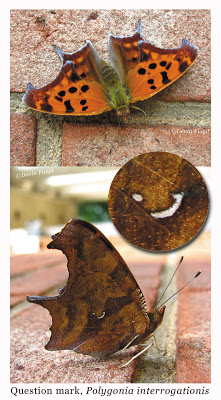
Question Mark Butterfly, Polygonia interrogationis Nature is filled with metaphors and dichotomies. The question mark is both, in my mind. It is a great symbol of strength and beauty in […]
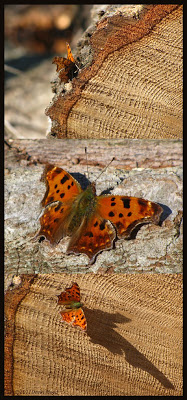
Eastern comma, Polygonia comma.©D. Floyd(02-17-2011. Carter’s Mtn., NW facing woodland cove, 750 feet el.Butterflies and Moths of North America sightings record). Last week’s warmth nudged life into action, if only […]
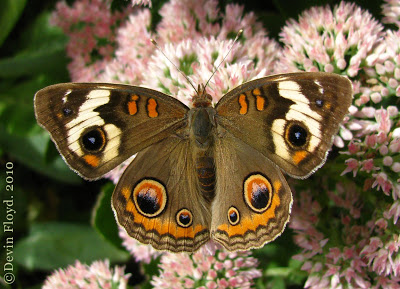
Buckeye butterfly, Junonia coenia Kingdom: AnimaliaPhylum: ArthropodaClass: InsectaOrder: LepidopteraSuperfamily: PapilionoideaFamily: Brush-footed butterflies (Nymphalidae)Subfamily: True Brushfoots (Nymphalinae)Genus: JunoniaSpecies: Junonia coenia This September, in a school yard on Cutler Lane in Charlottesville, […]
For a rare and up close look at the beautiful and elusive Red Admiral and Question Mark butterflies:Go to the Jefferson-Madison library on Market Street, in Charlottesville, right away! Upon […]
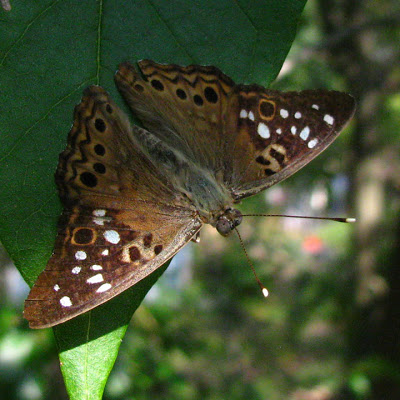
Hackberry Emperor, Asterocampa celtis ©Devin Floyd By now all of you know that it has been a wonderful year for butterflies. Well, right now we are witnessing the grand finale! […]
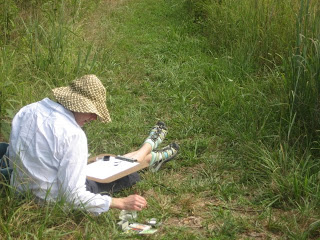
Seven talented students joined me as we explored the field and forest of Ivy Creek Natural Area to learn how to document the surrounding natural environment. With pencils, pens, and […]
The real secret to learning new species of animals and plants is study and repetition, but one thing that works especially well is to focus on the 10 commonest species […]