
Uncategorized
Flowering Plants and the Evolution of Pollination Syndromes

Feb
Above: an endangered American bumble bee (Bombus pensylvanica) visiting a butterfly milkweed (Asclepias tuberosa). Credit: Author
by David Bellangue
PDC Conservation Nursery Research Technician
Scanning the surface of our planet today, you would be hard pressed to find a terrestrial environment (excluding polar ice caps and glaciers) entirely devoid of plant life. Of this vast green tapestry that covers the land, over ninety percent of the plants you see (some 300,000 species) are flowering plants called angiosperms (Govaerts et al. 2021; Zuntini et al. 2024). The term angiosperm derives from the Greek words “angeion”, meaning vessel or container, and “sperma” meaning seed, in reference to the way the seed is enclosed by a fruit. The remaining plant species are made up of gymnosperms, such as conifers, cycads, and cypress, ferns, and non-vascular plants like mosses, liverworts, and club-mosses. Angiosperms dominate the planet and their ecological importance underpins all major terrestrial ecosystems-excluding boreal and montane coniferous forests.
But it wasn’t always like this.
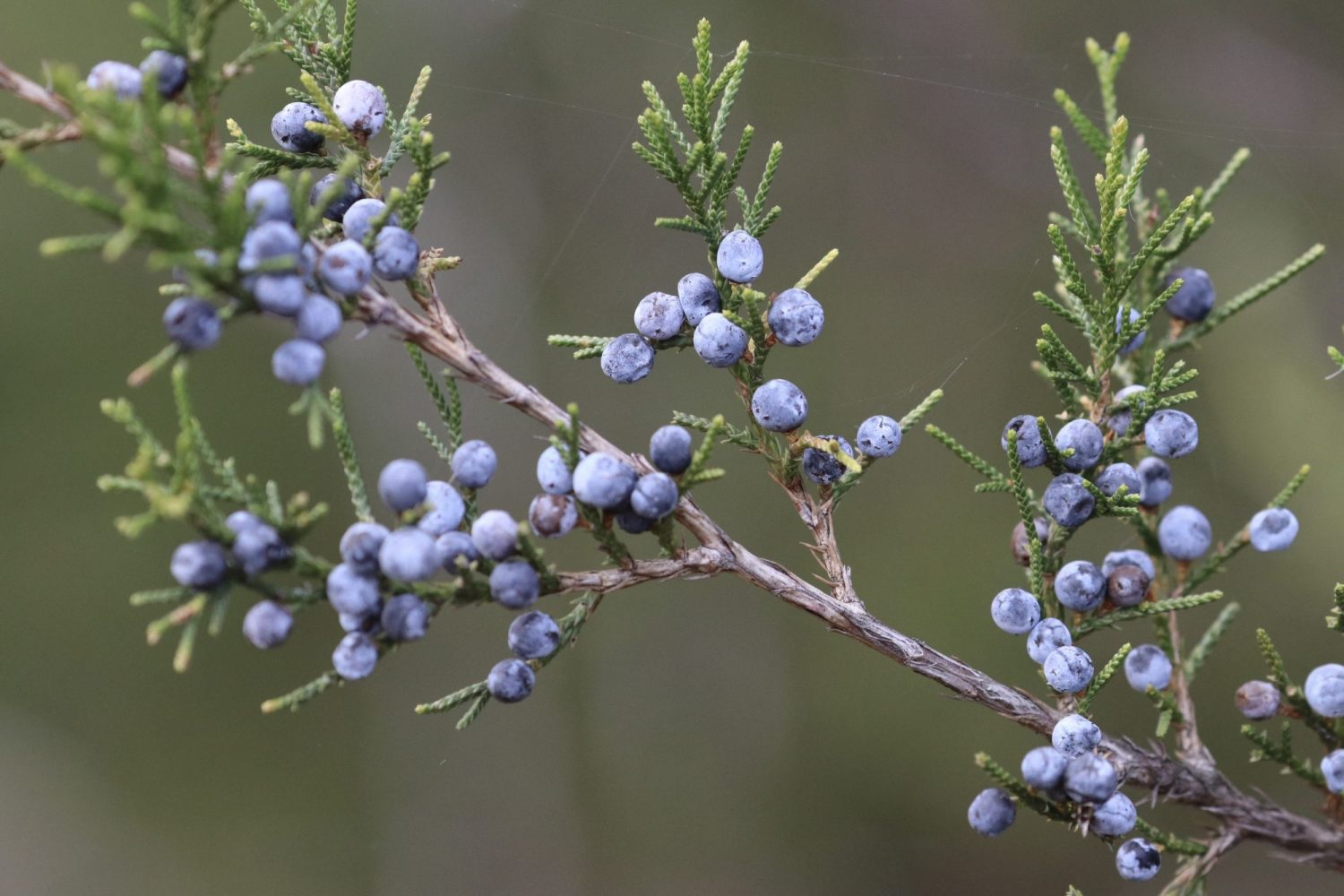
Until 120-130 million years ago, non-vascular plants, ferns, and gymnosperms ruled the land. Life was good for these groups as they diversified and spread across the surface of the Earth. For a time, angiosperms were restricted to areas where they could compete best against towering ferns and gymnosperm trees like stream-side habitats, disturbed places, and extremely dry sites (Berendse & Scheffer, 2009). But the overwhelming influence of gymnosperms on the world would not last, and within a few million years, angiosperms began to diversify and spread rapidly, eventually making up most of the plant life on our planet.
While we don’t know definitively how angiosperms came to dominate so quickly, it may have been through genome downsizing (Simonin & Roddy 2018). By reducing their genome size, angiosperms were able to make smaller cells with greater surface area for respiration, giving them a competitive advantage over other plant life and allowing for their rapid spread. Other traits that supported the rise of flowering plants include improved growth rates, better utilization of soil nutrients, and leaf litter that was easier to decompose (Berendse & Scheffer, 2009). The plant debris produced by flowering plants also led to an increase in fires that further favored their development and spread (Bond & Scott 2010).
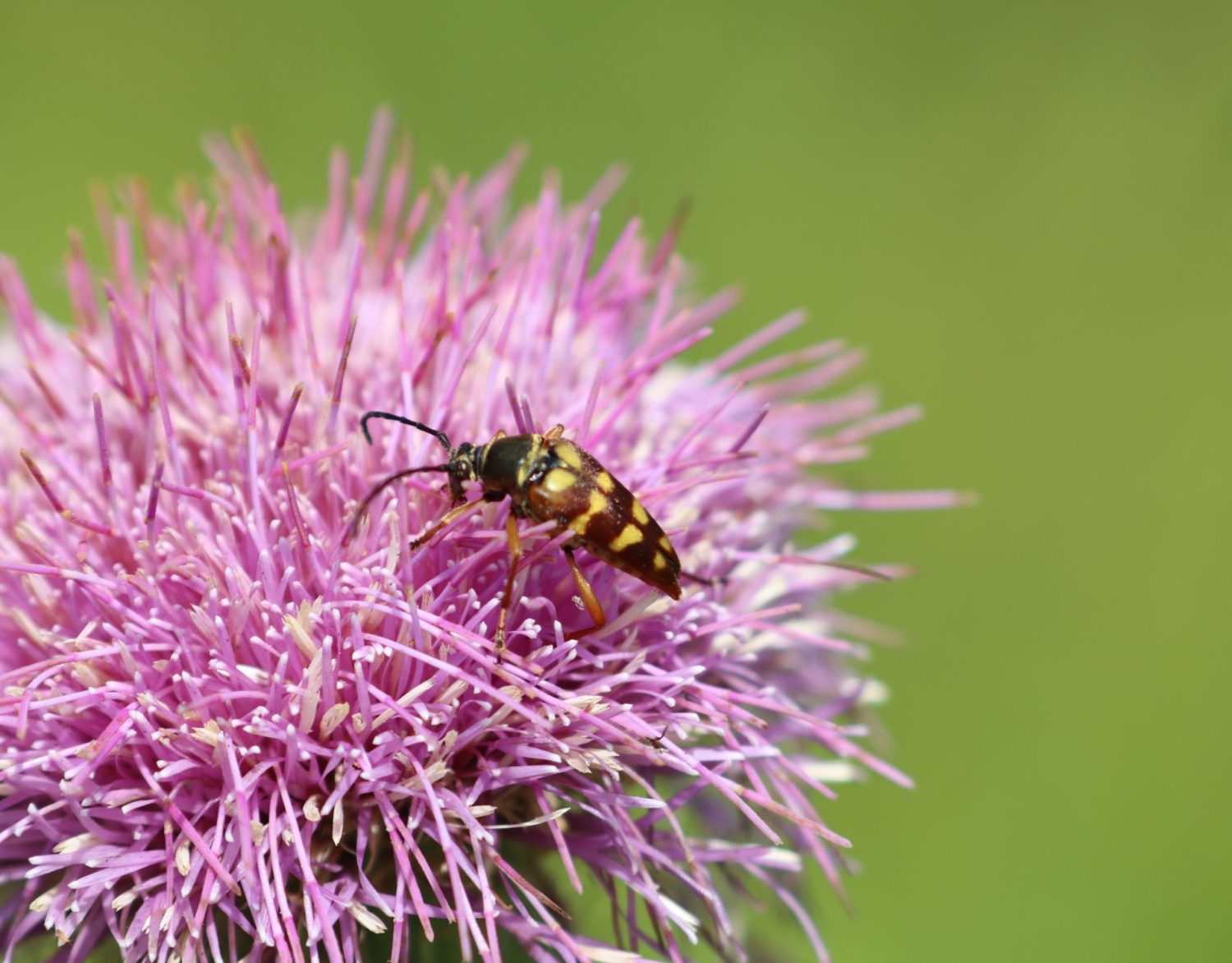
The evolution of animal pollination was a game changer for plant reproduction. Non-vascular plants and gymnosperms had to invest huge amounts of energy into wind pollination to reproduce. This strategy often has very low odds of success, necessitating a large portion of a plant’s energy to be devoted to producing pollen. Animal pollination revolutionized plant reproduction, allowing plants to reduce the amount of pollen they had to produce, while increasing the chances of that pollen successfully dispersing. As angiosperms spread and diversified, it led to co-evolution between plants and pollinating animals. Plant groups began evolving more specialized traits to attract a specific group of pollinators and maximize reproductive success. These traits are known as pollination syndromes (Eierman 2020, USFS). Pollination syndromes can help predict what pollinator a plant will most likely attract. However, syndromes are not absolute, as animals will visit plants outside of their syndrome. For example, hummingbirds are attracted to red tubular flowers, but will also use flowers without these characteristics.
Pollination Syndromes
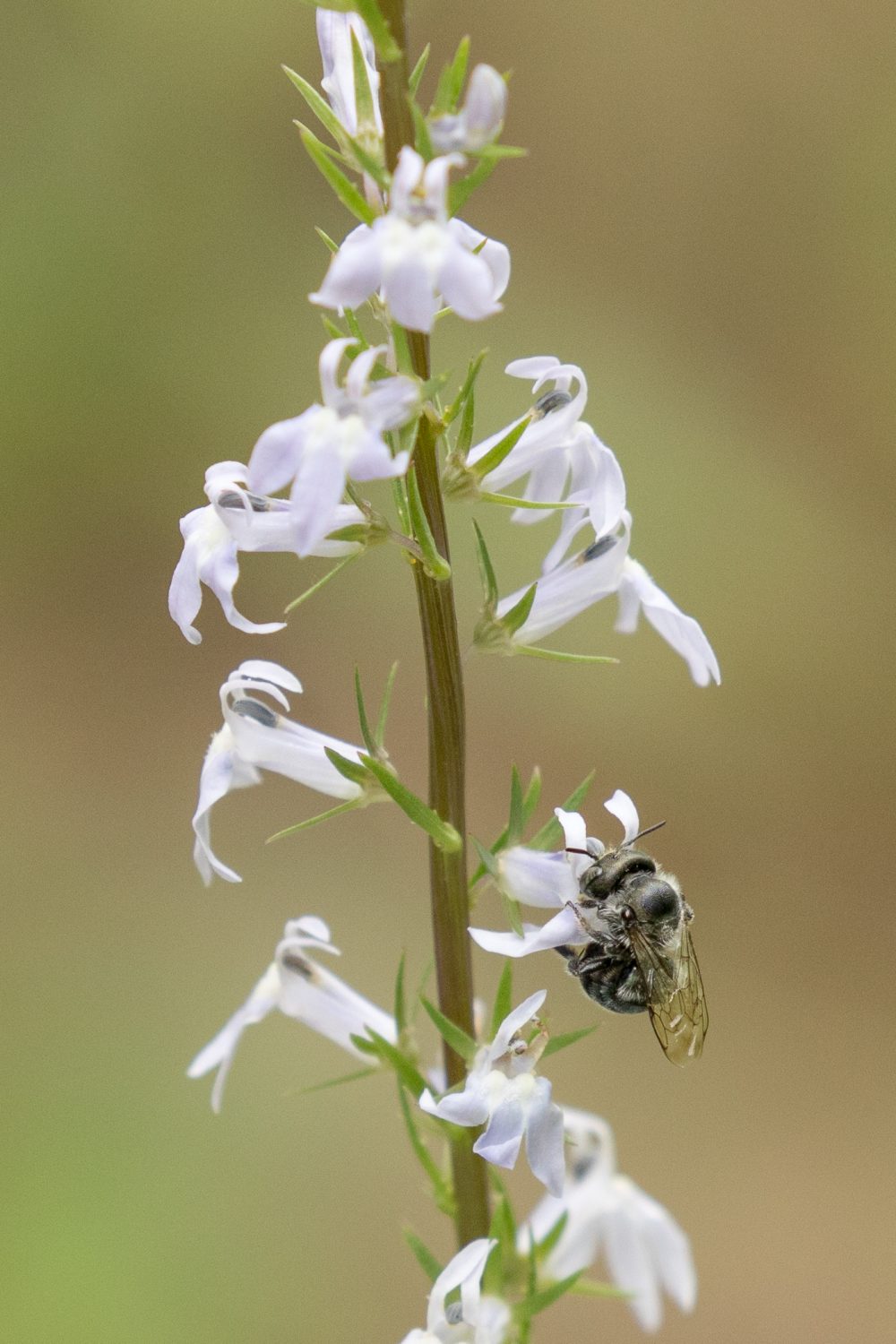
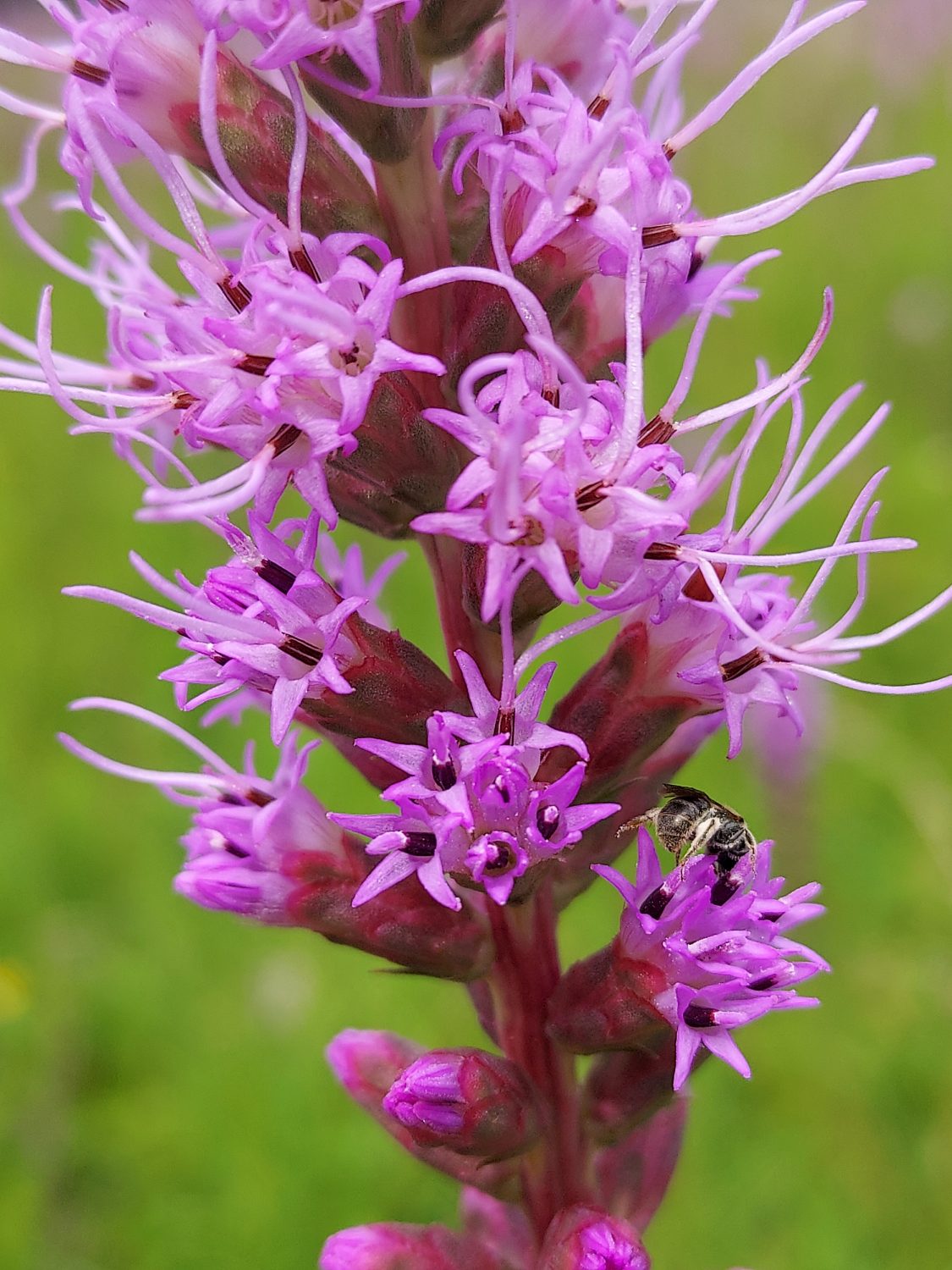
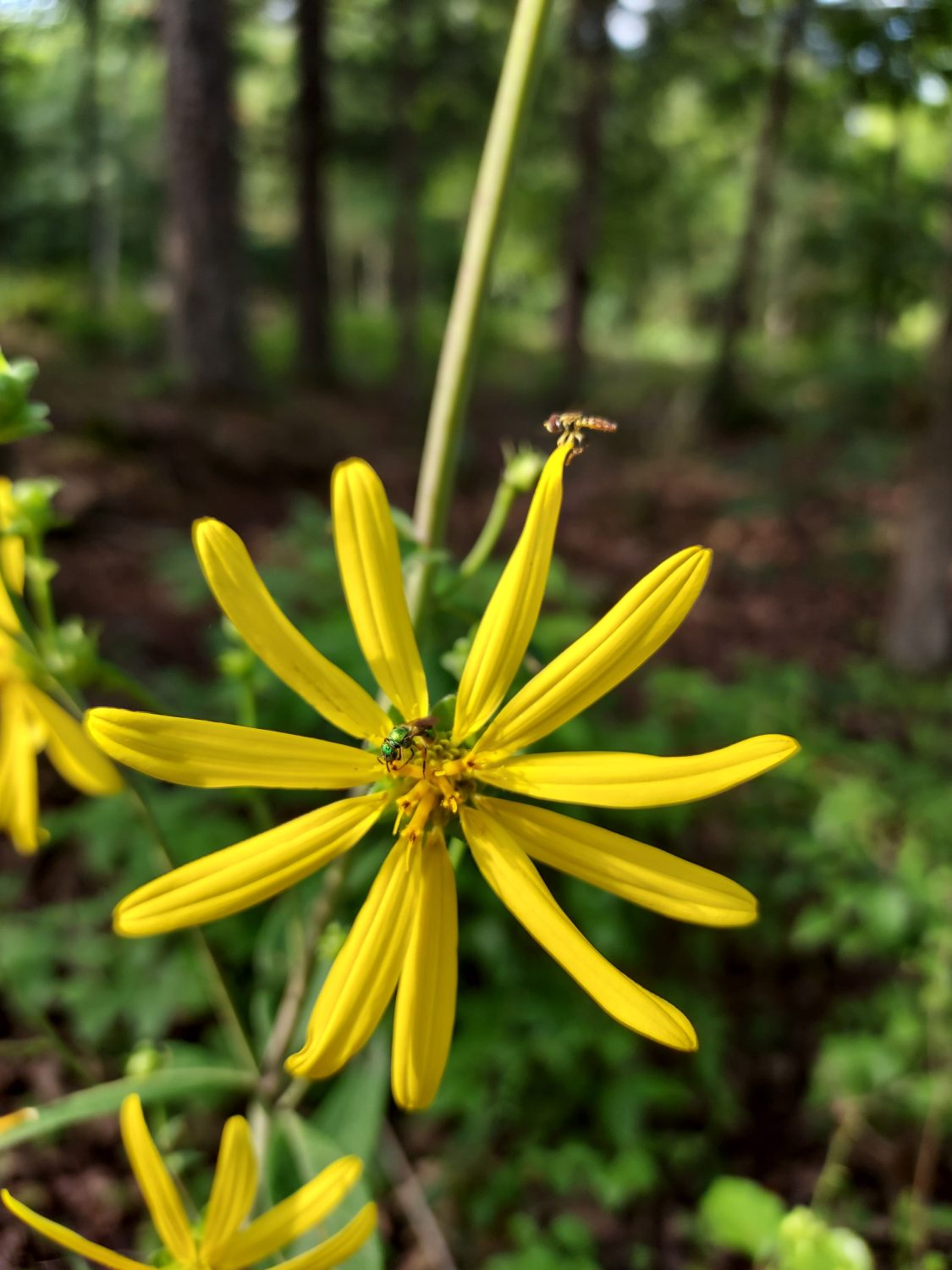
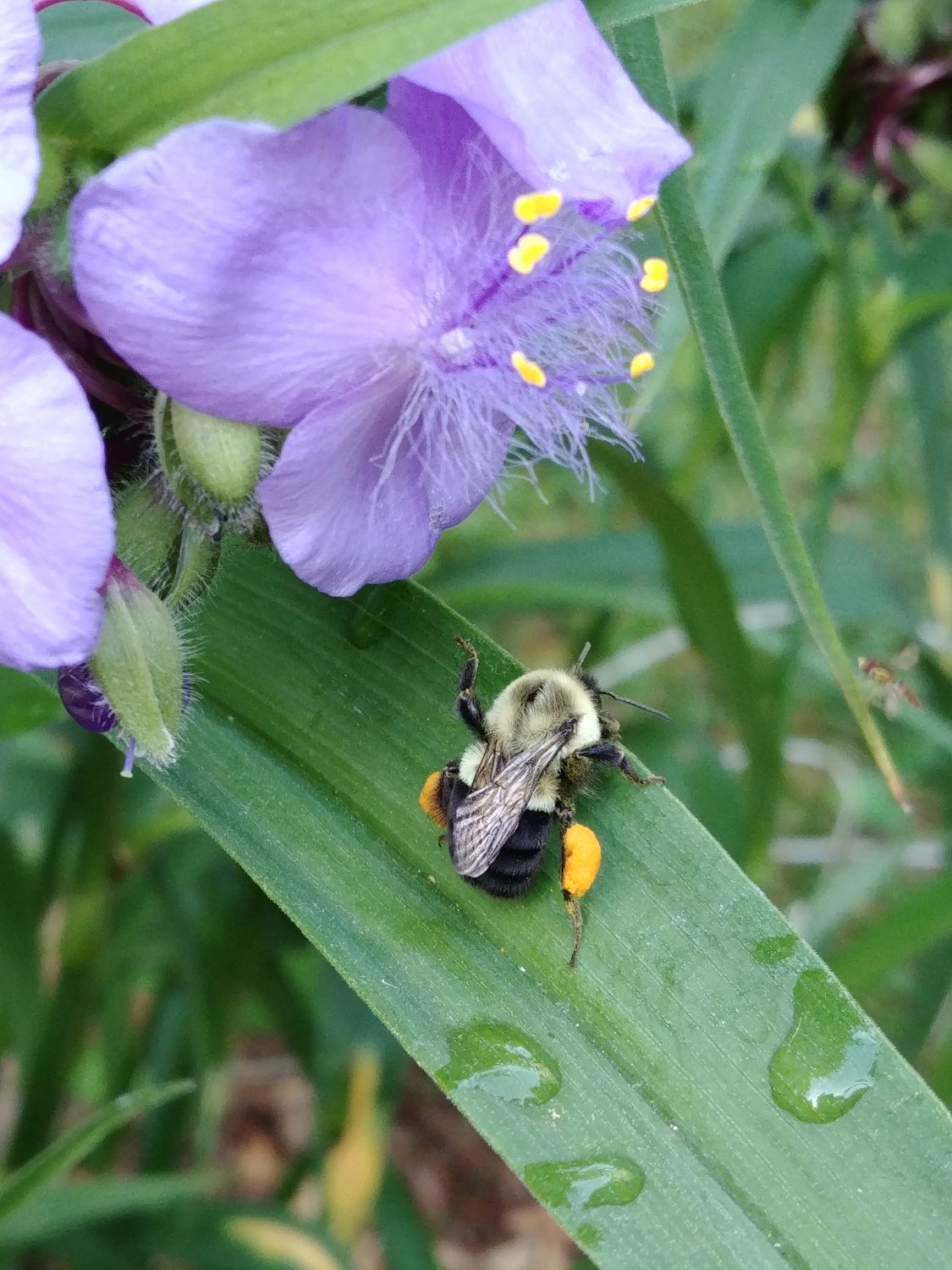
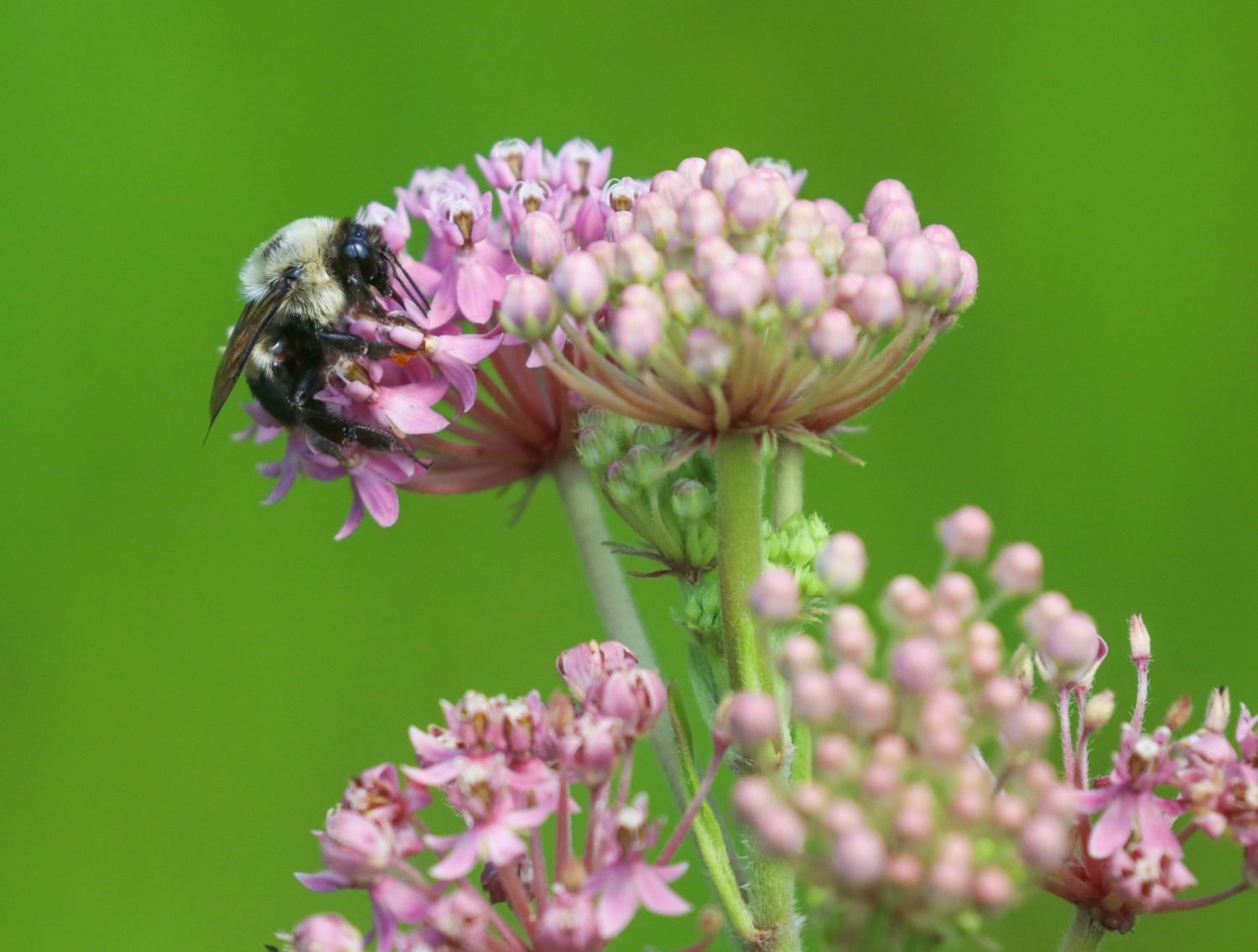
- Bee and Wasp (Melittophily) from Greek “melitta” meaning bee and “philos” meaning dear or beloved.
- Plants that evolved to attract bees, wasps, and flower flies usually have yellow, white, blue, violet, purple, or ultraviolet flower color. Flower shape can vary from easily accessible open clusters (like Pycnanthemum and Solidago) to tubular (like Monarda). Flowers have a mild fragrance, nectar guides, and sticky scented pollen to better adhere to insect bodies.
- Examples: Many, as bees and wasps are the foremost insect pollinators. Symphyotrichum spp.(asters), Dicentra spp. (bleeding heart/Dutchman’s breeches), Amelanchier spp. (serviceberries), Asclepias spp. (milkweed), Solidago spp. (goldenrod), Zizia spp. (golden Alexanders), Pycnanthemum spp. (Mtn. mints), Tradescantia spp. (spiderworts), Lespedeza spp. (bush-clovers), Senna spp., Penstemon spp. (beard tongues).
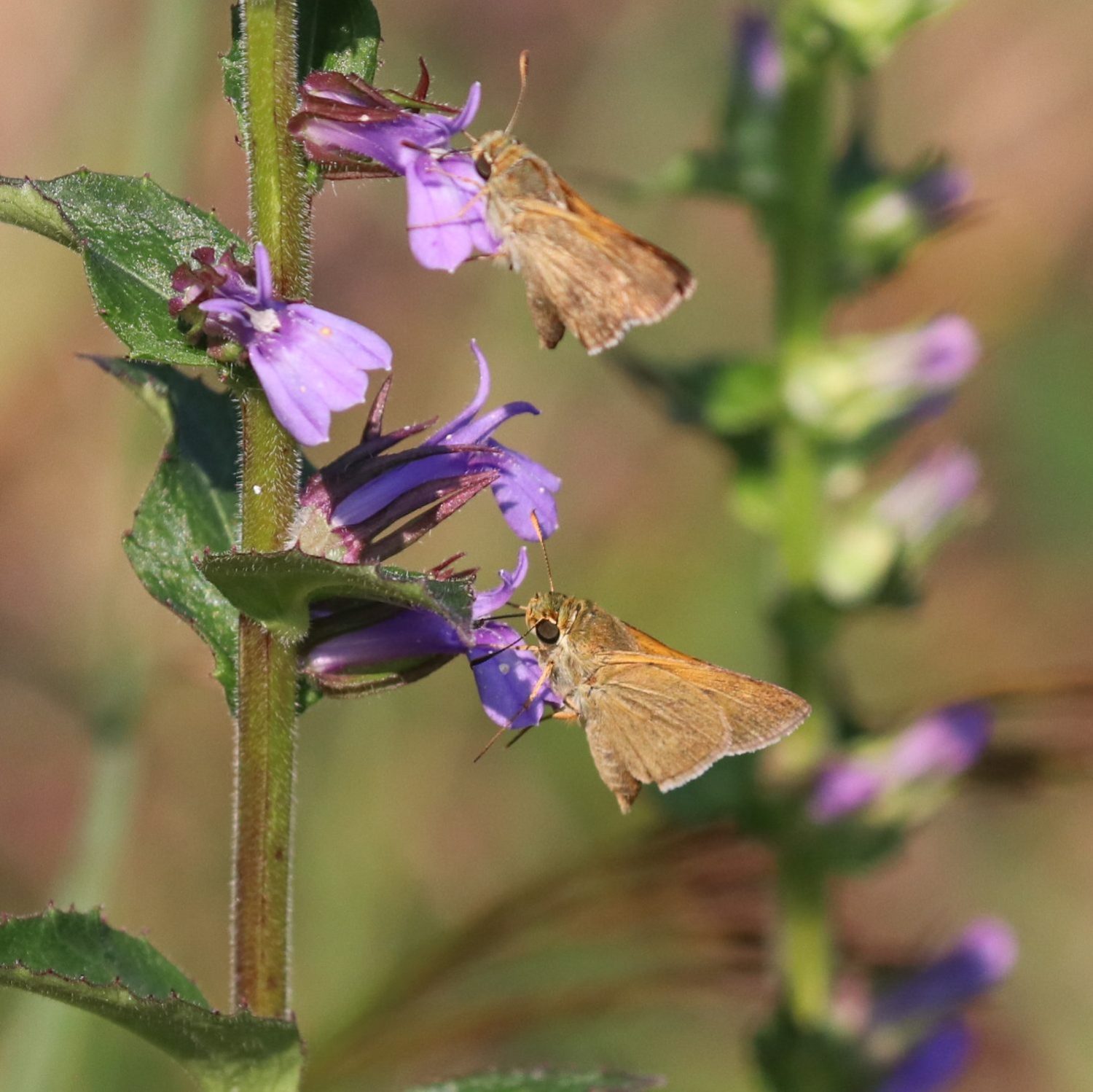
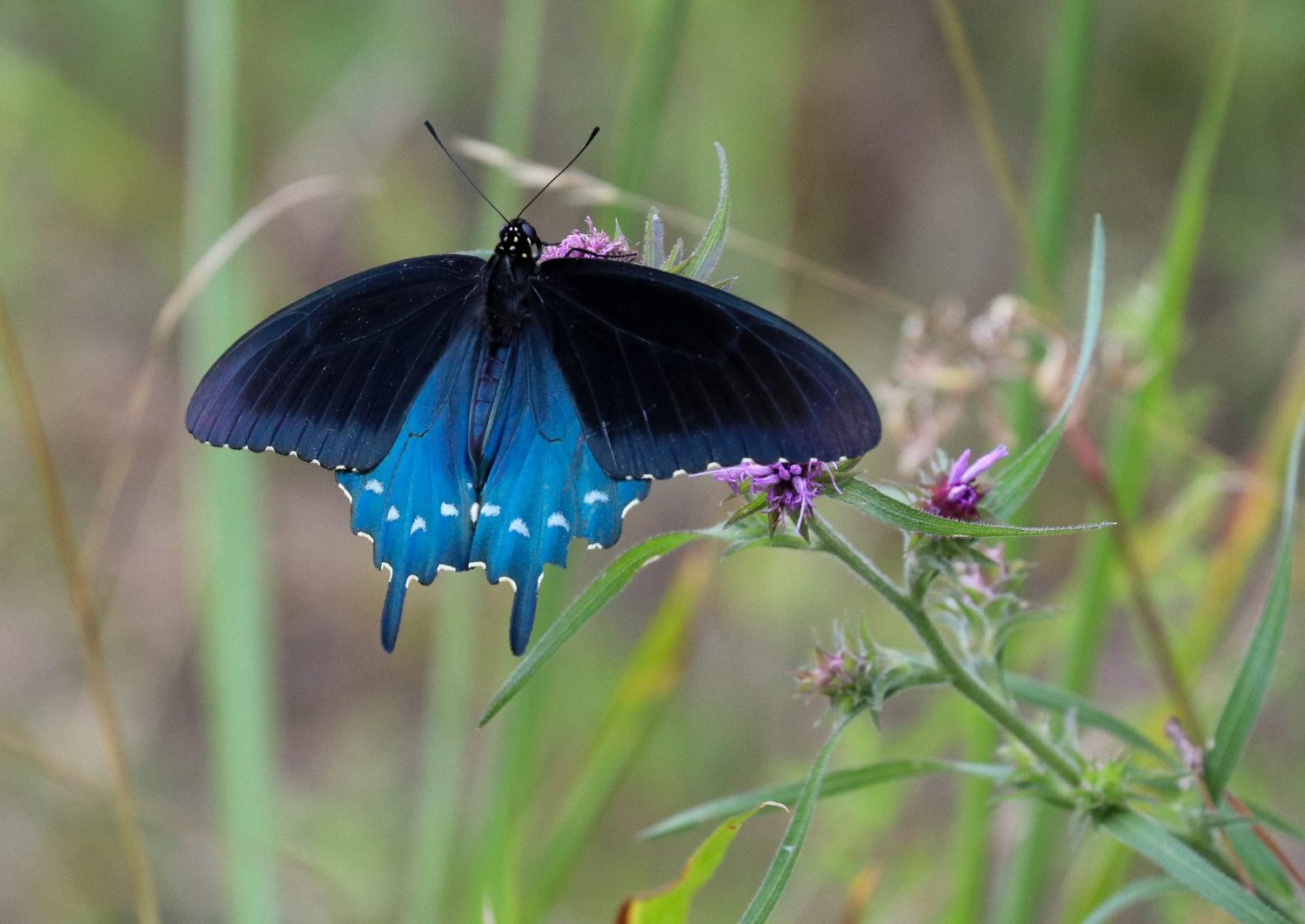
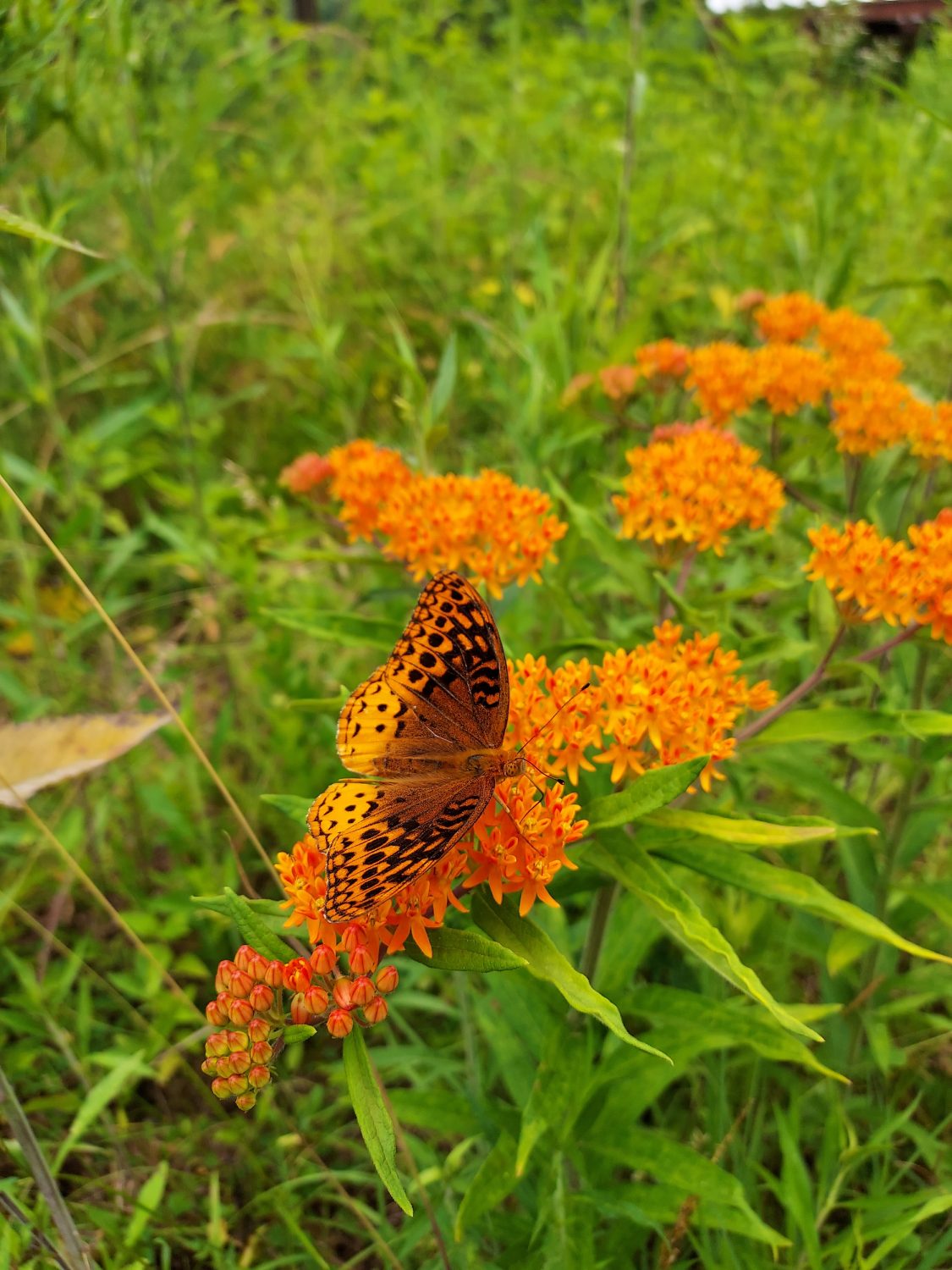

- Butterfly (Psychophily) from Greek word “Psykhe” meaning soul or butterfly in reference to Psyche, Greek Goddess of the soul (Tonhasca 2024)
- Butterfly attracting flowers are usually brightly colored in reds, oranges, yellows, and purples and often have structural landing pads. There is a slight aroma with nectar guides present leading to abundant nectar deep within the flower.
- Examples: Lilium spp. (lilies), Eutrochium (Joe-Pye weed), Monarda didyma (scarlet beebalm), Liatris spp. (blazing stars)

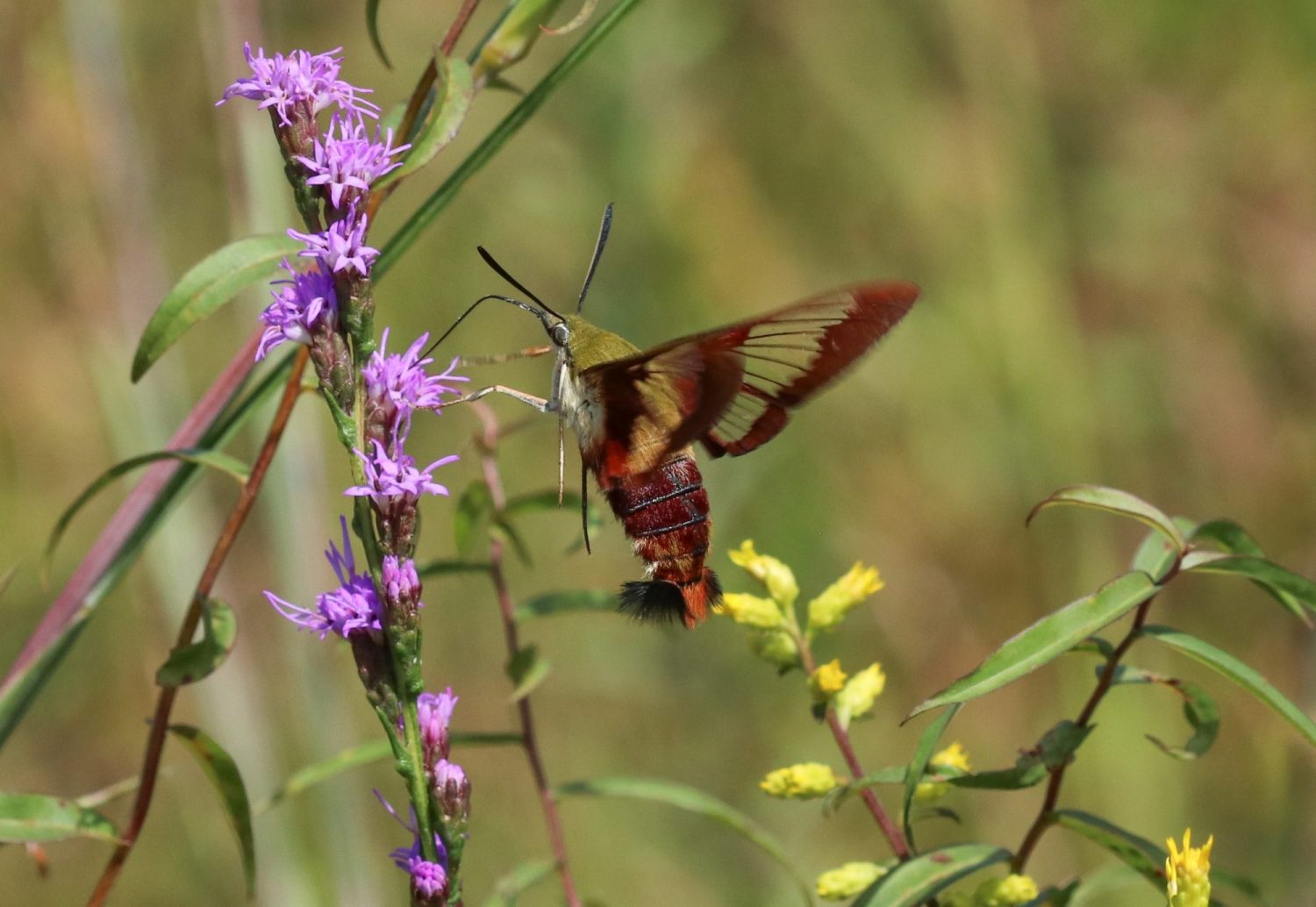
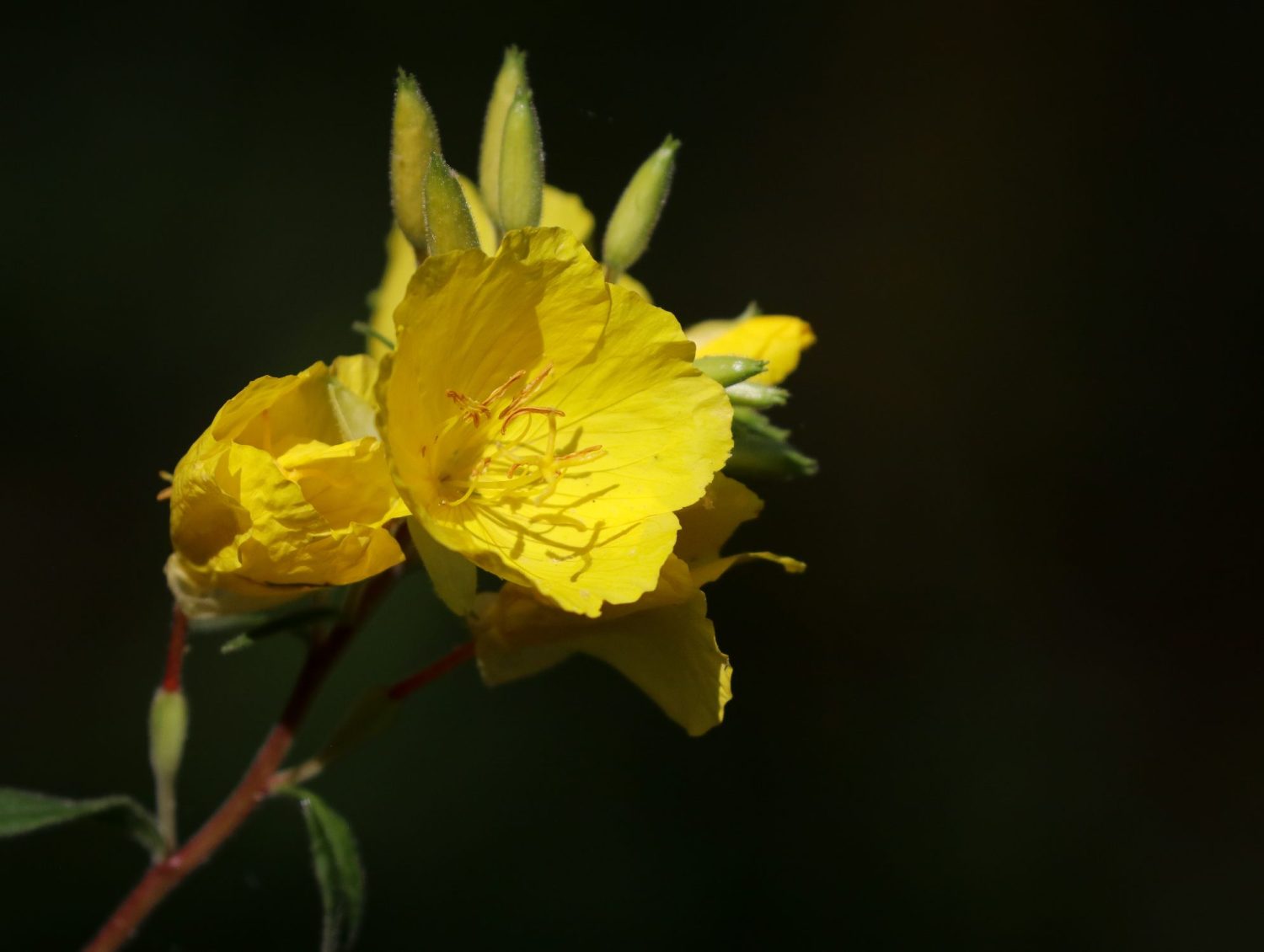
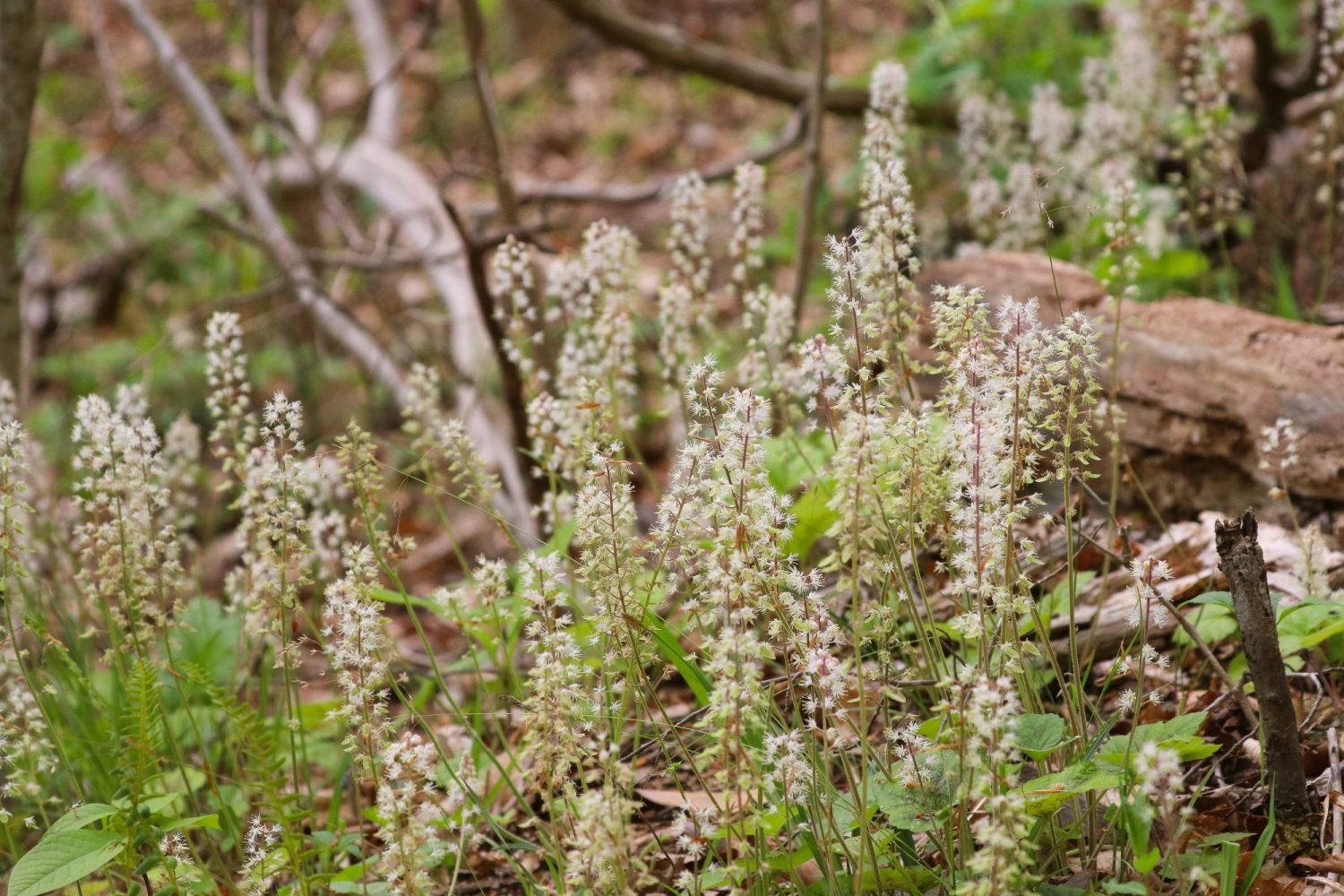
- Moth (Phalaenophily) from Greek word “phalaina” meaning moth
- Tubular flowers with heavy sweet fragrance that open late afternoon through the night. Produce a lot of dilute nectar and limited pollen.
- Examples: Oenothera spp. (evening primrose), Yucca spp., Tiarella spp. (foamflower), Aruncus dioicus (goat’s beard), Liatris spp. (blazing stars)
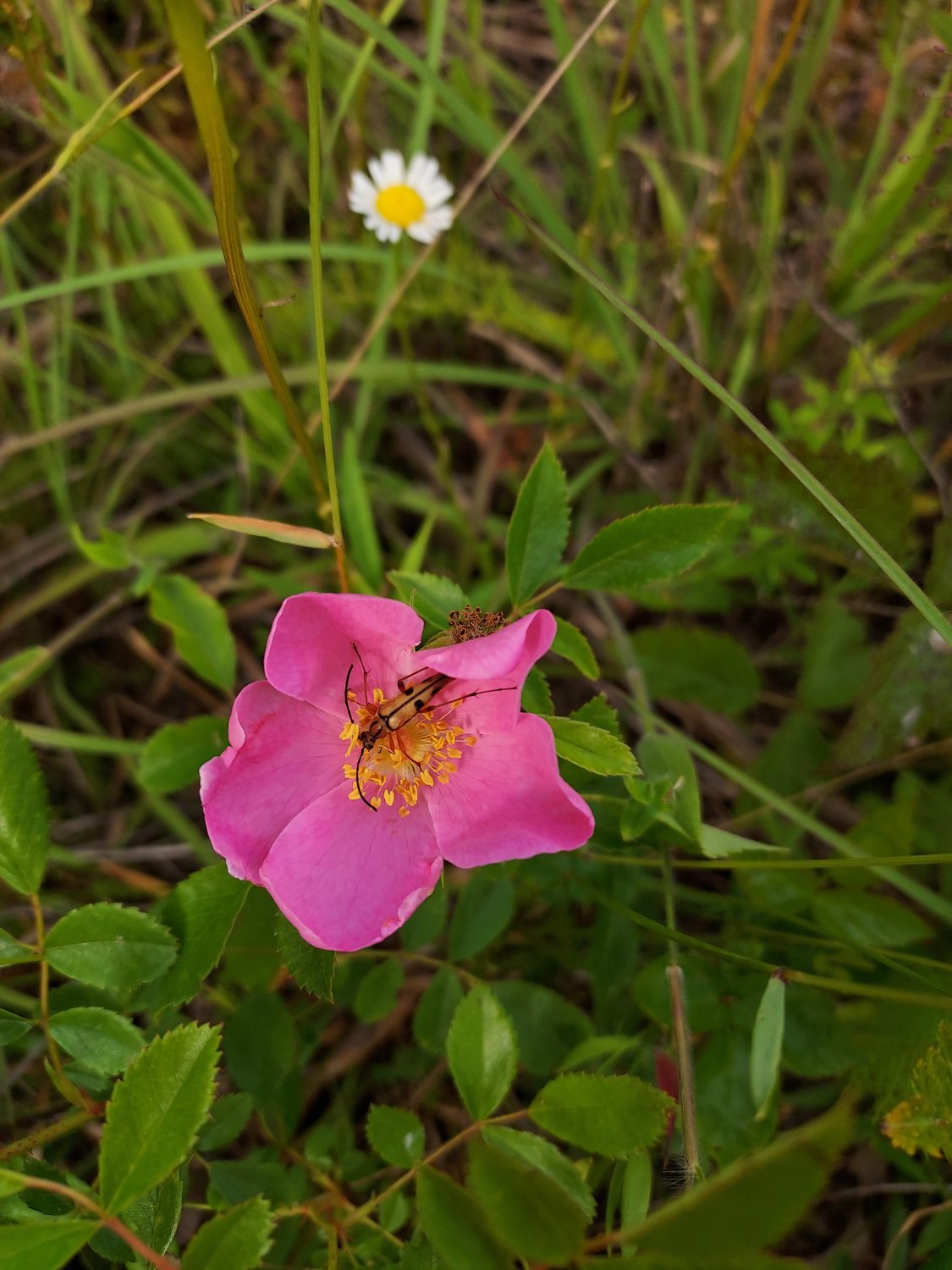
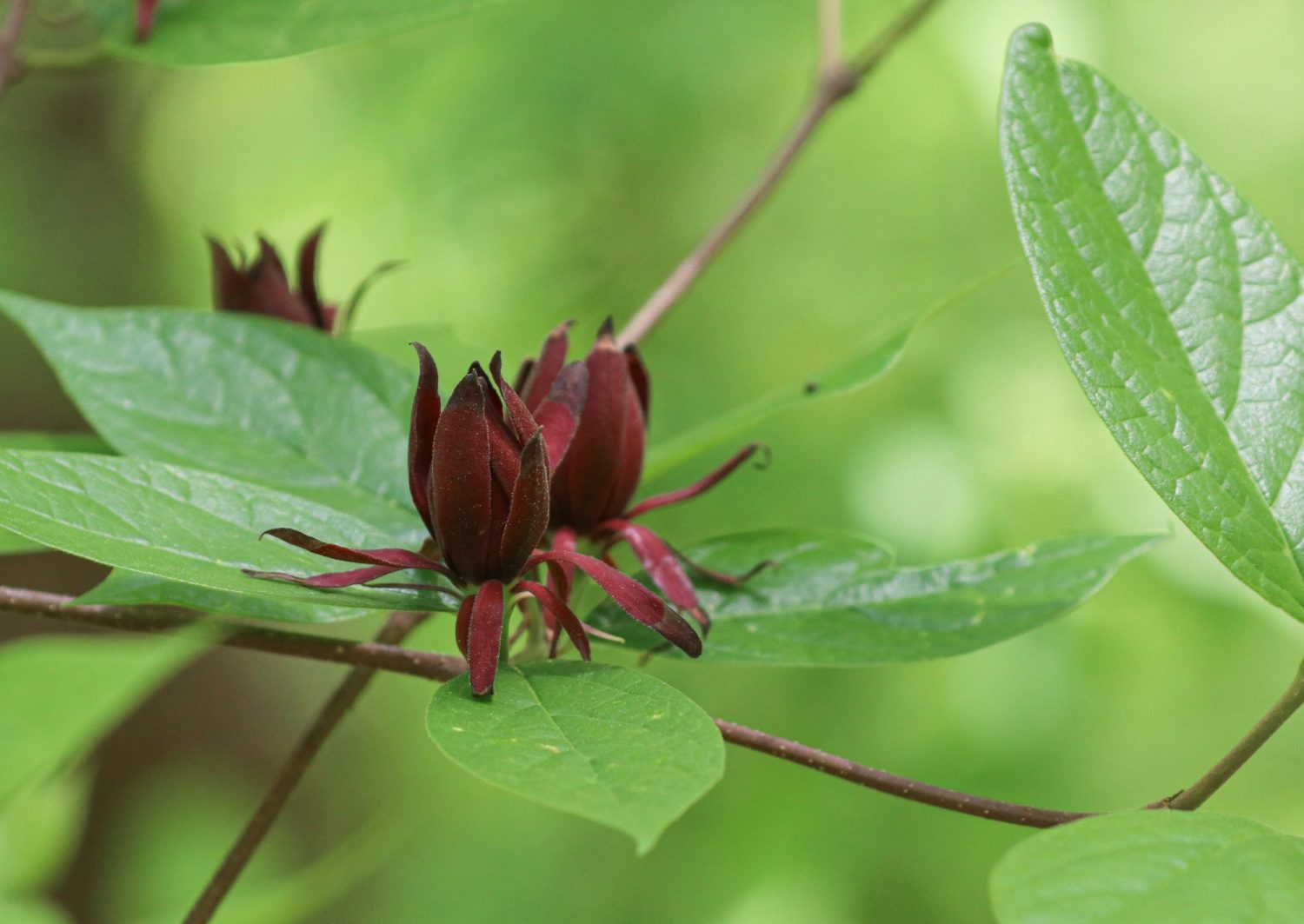
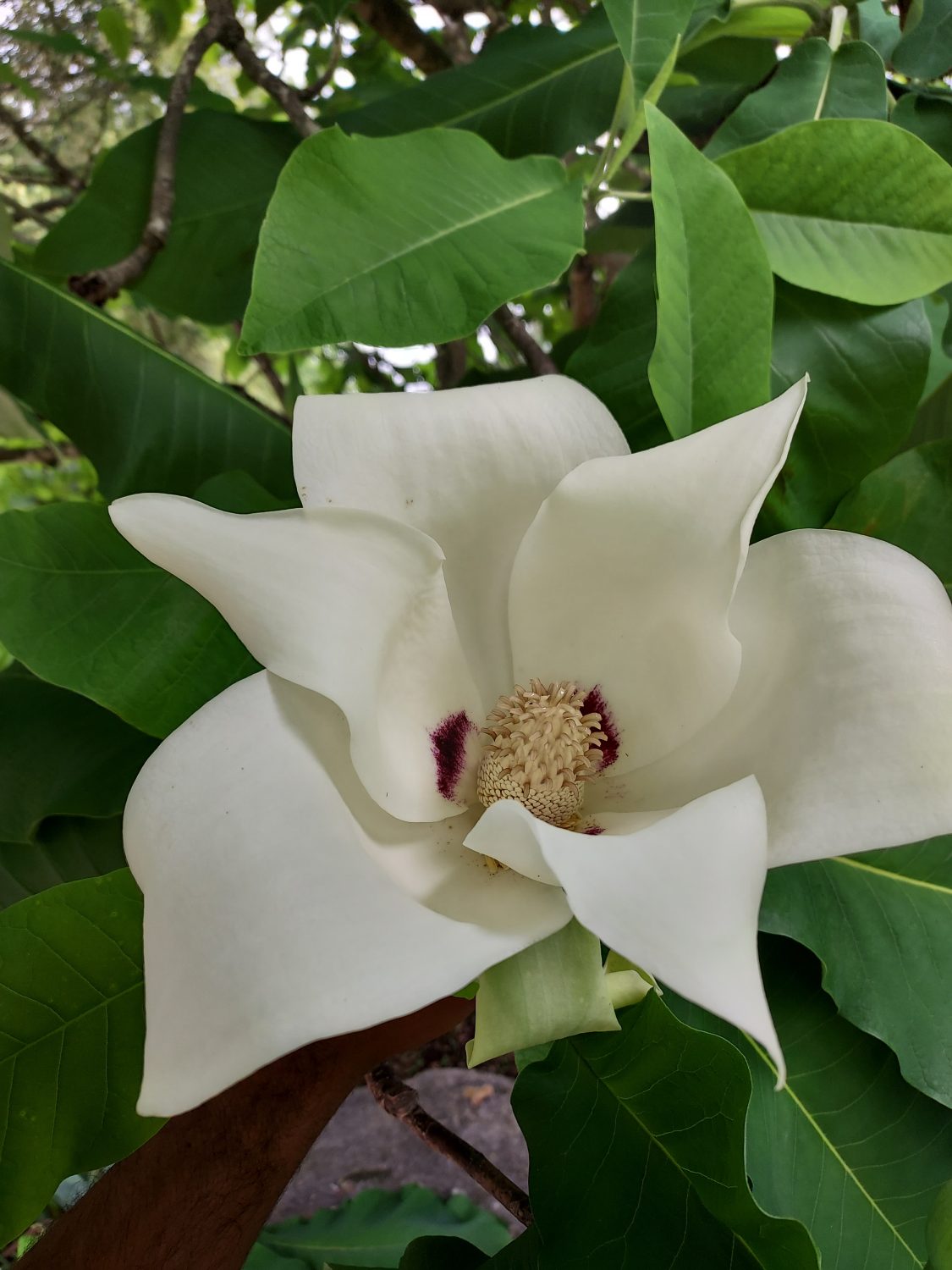
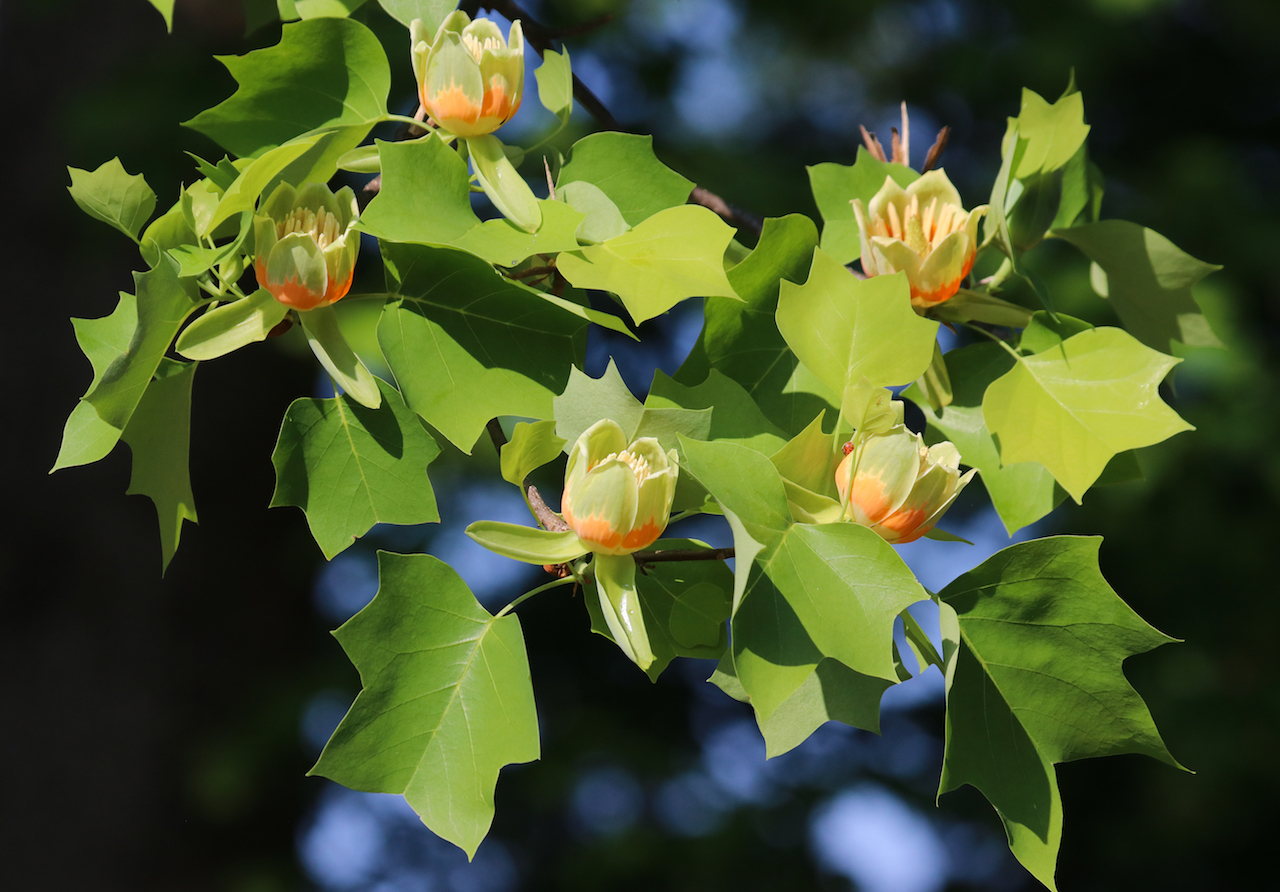
- Beetle (Canatharophily) from Greek “kántharos” meaning beetle
- Flowers are bowl shaped, often a dull white or green color and have a strong fruity or fetid odor. Flowers provide abundant pollen and nectar. Flowers are often large and durable to handle the large bodies and destructive nature of beetles. Beetles are the oldest pollinator of angiosperms.
- Examples: Magnolia spp., Calycanthus floridus (sweet-shrub), Liriodendron tulipifera (tulip poplar), Nymphaea spp. (water lilies).
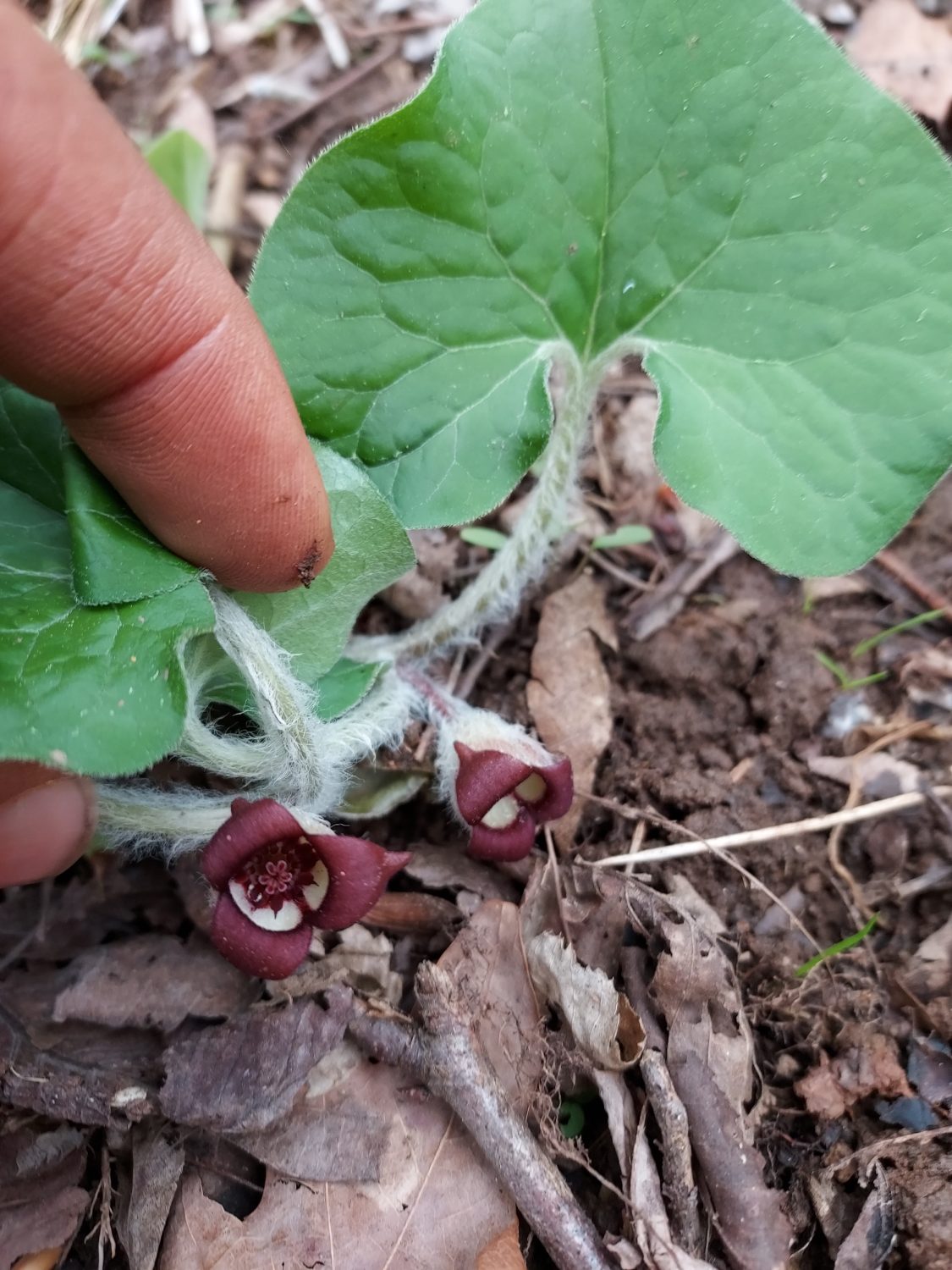
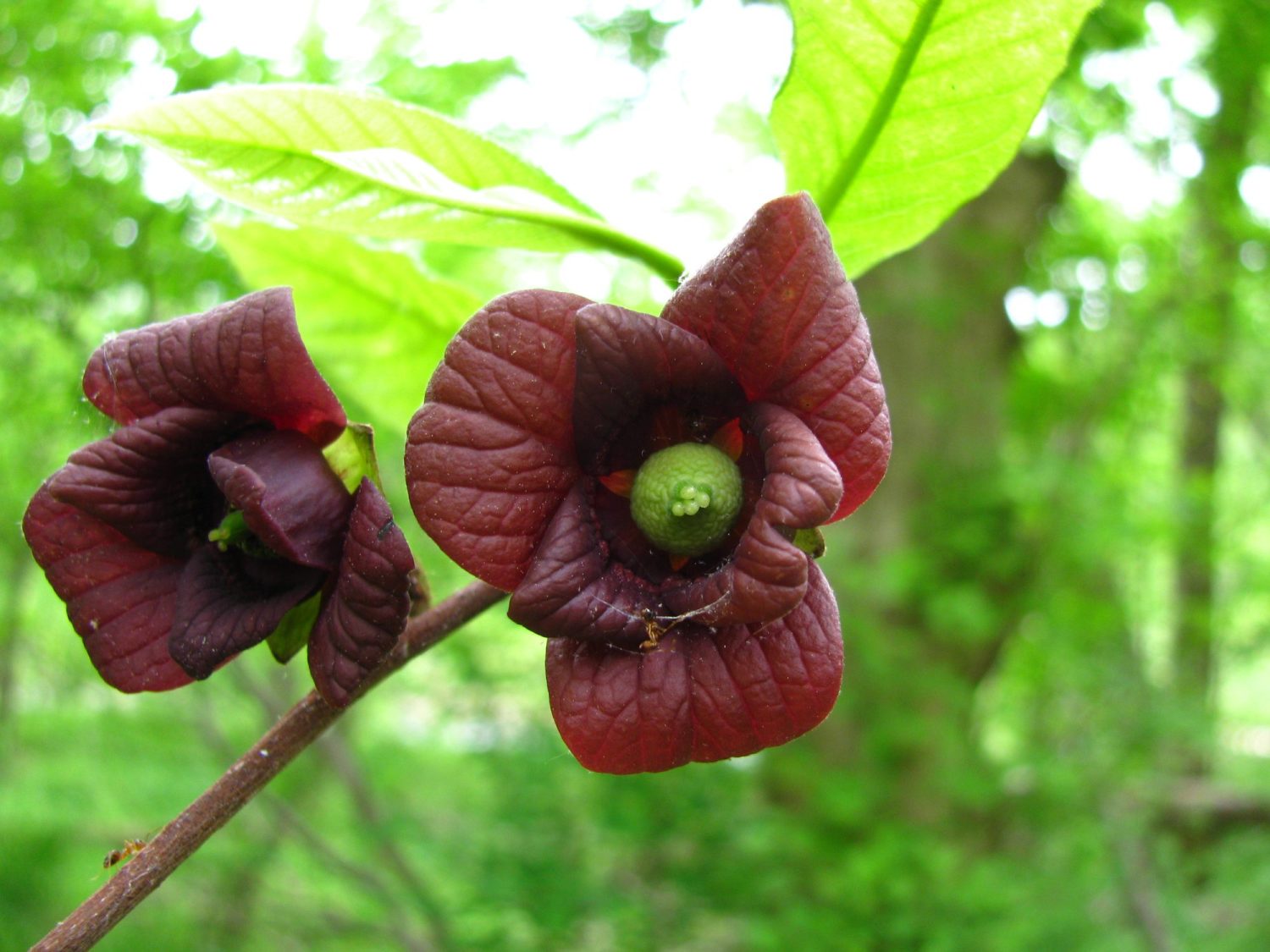
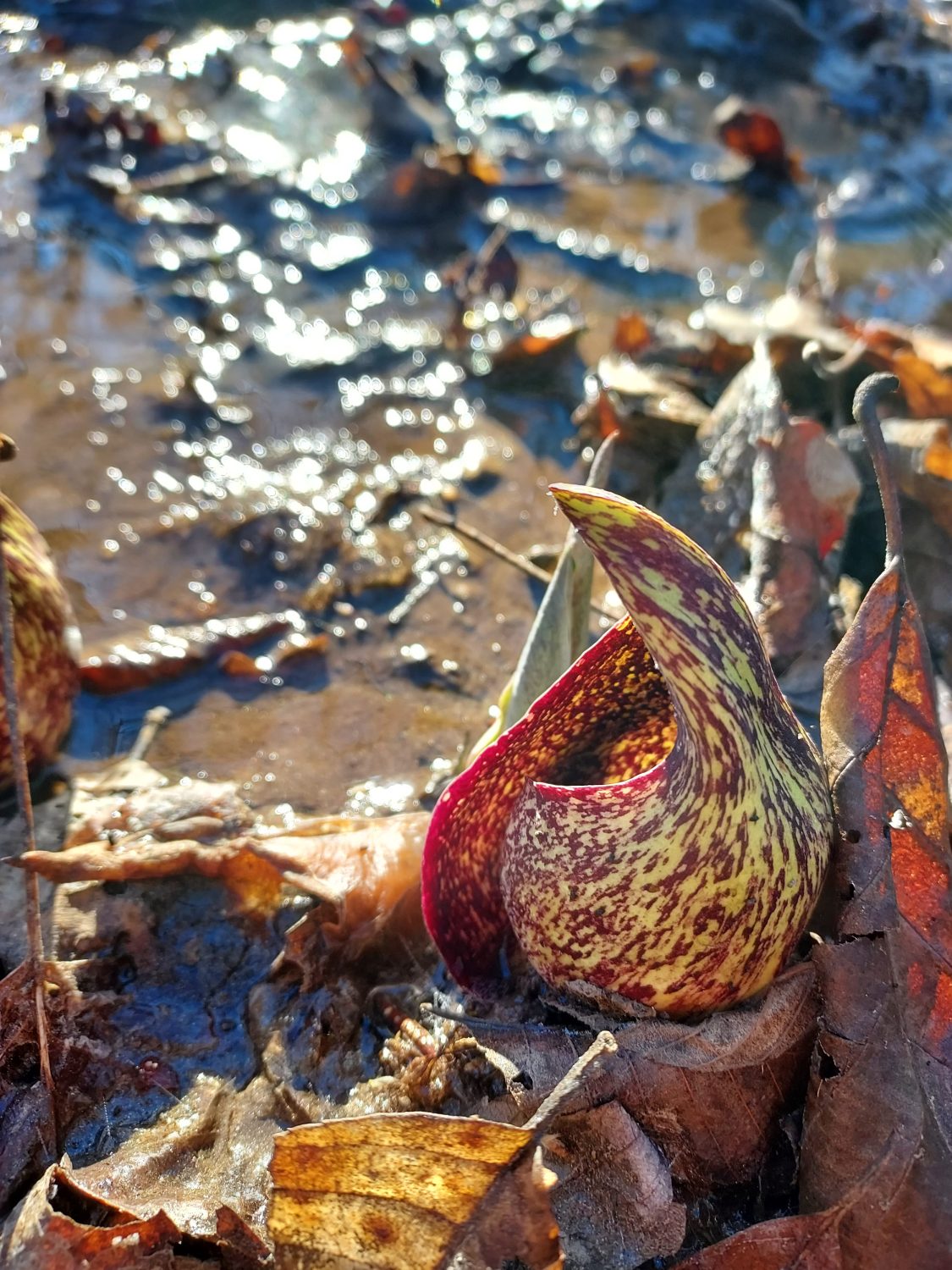
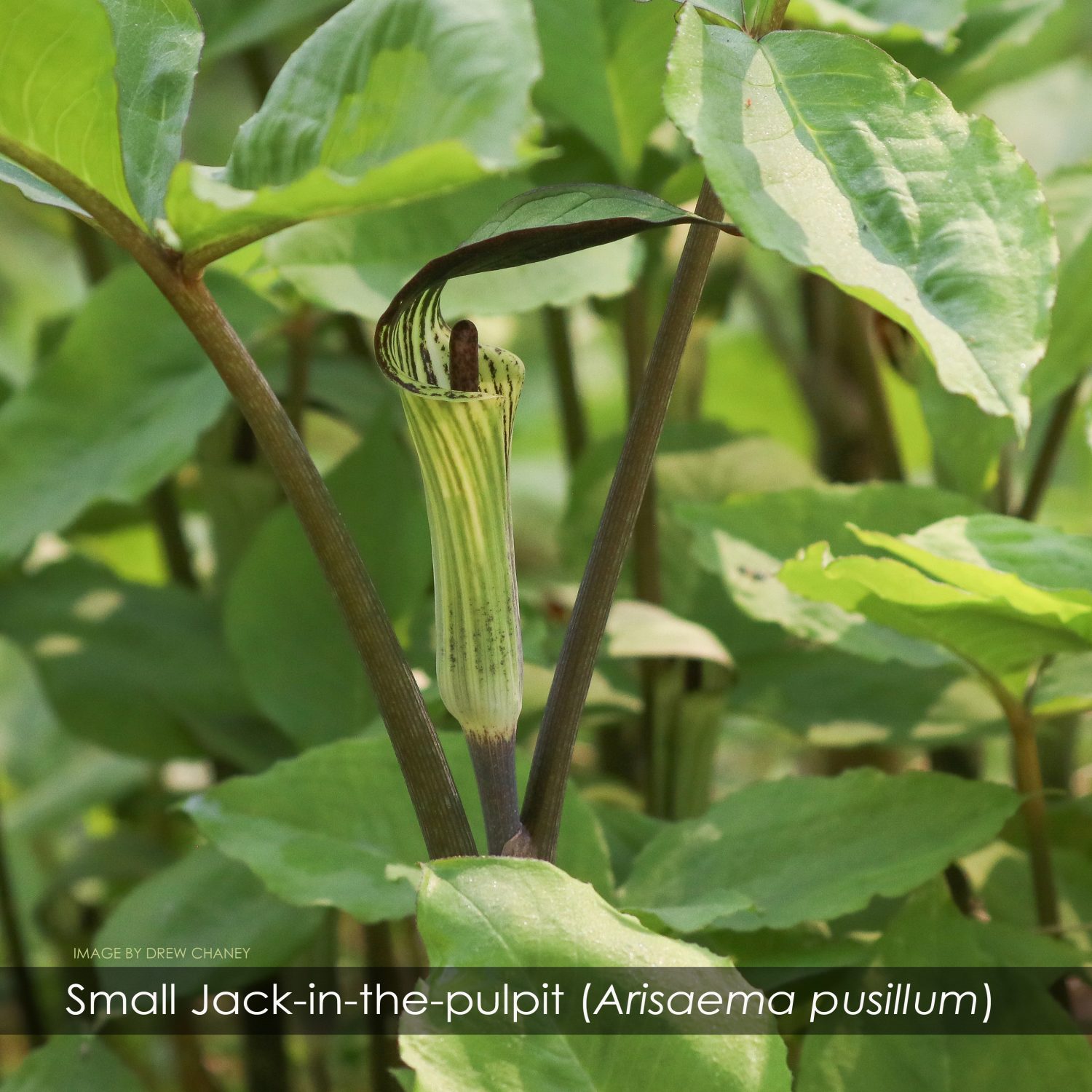
- Carrion Fly (Sapromyophily) from Greek words “sapros” meaning rotten or putrid and “myia” meaning fly
- Flowers are often a dark color such as dark brown, purple, or sometimes pale and funnel shaped. They emit a putrid rotting or musky odor with little nectar and some pollen offered.
- Example: Asimina triloba (pawpaw), Asarum canadense (wild ginger) Aristolochia spp. (Dutchman’s pipe), members of the Arum family (Araceae) such as Symplocarpus foetidus (skunk cabbage), Arisaema spp. (jack-in-the-pulpits), and Peltandra virginica (arrow arum).
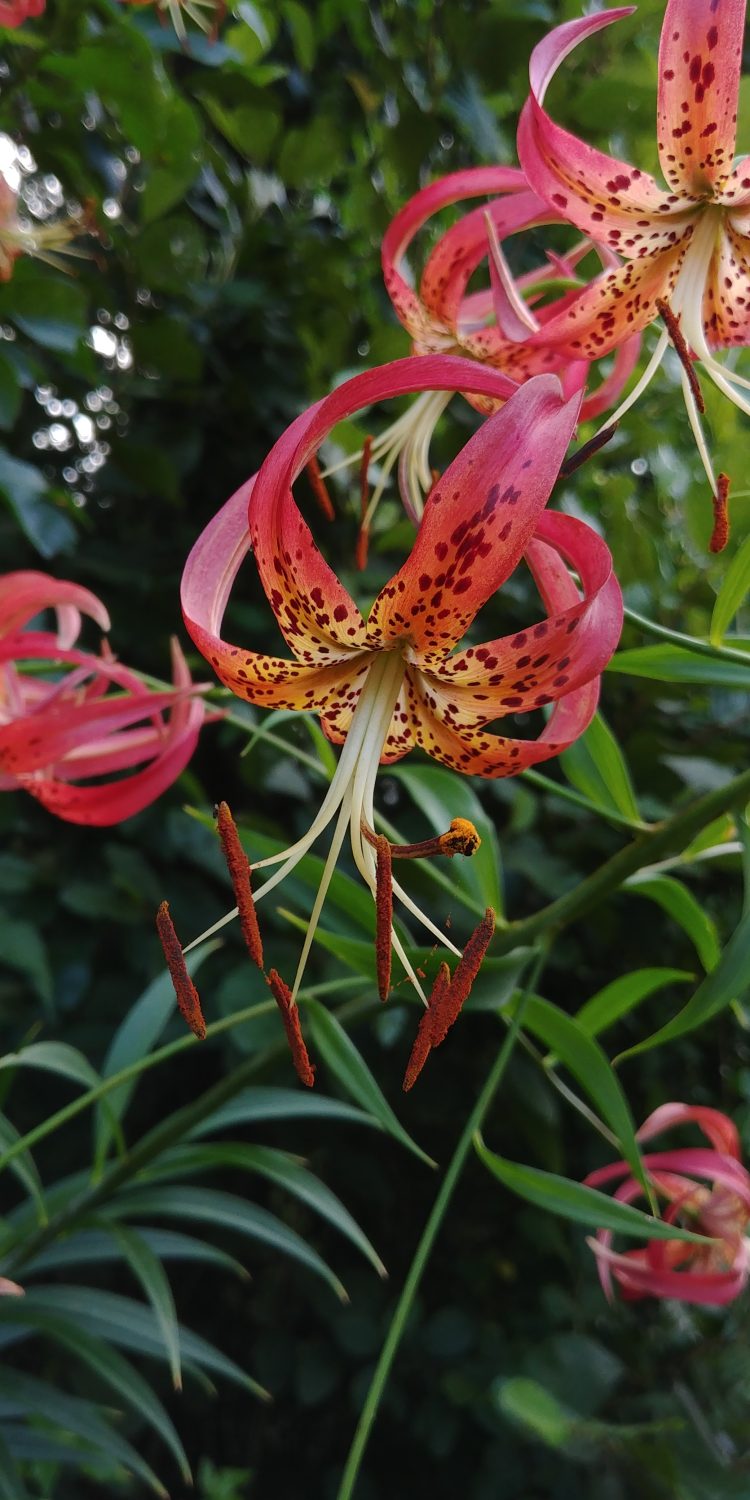
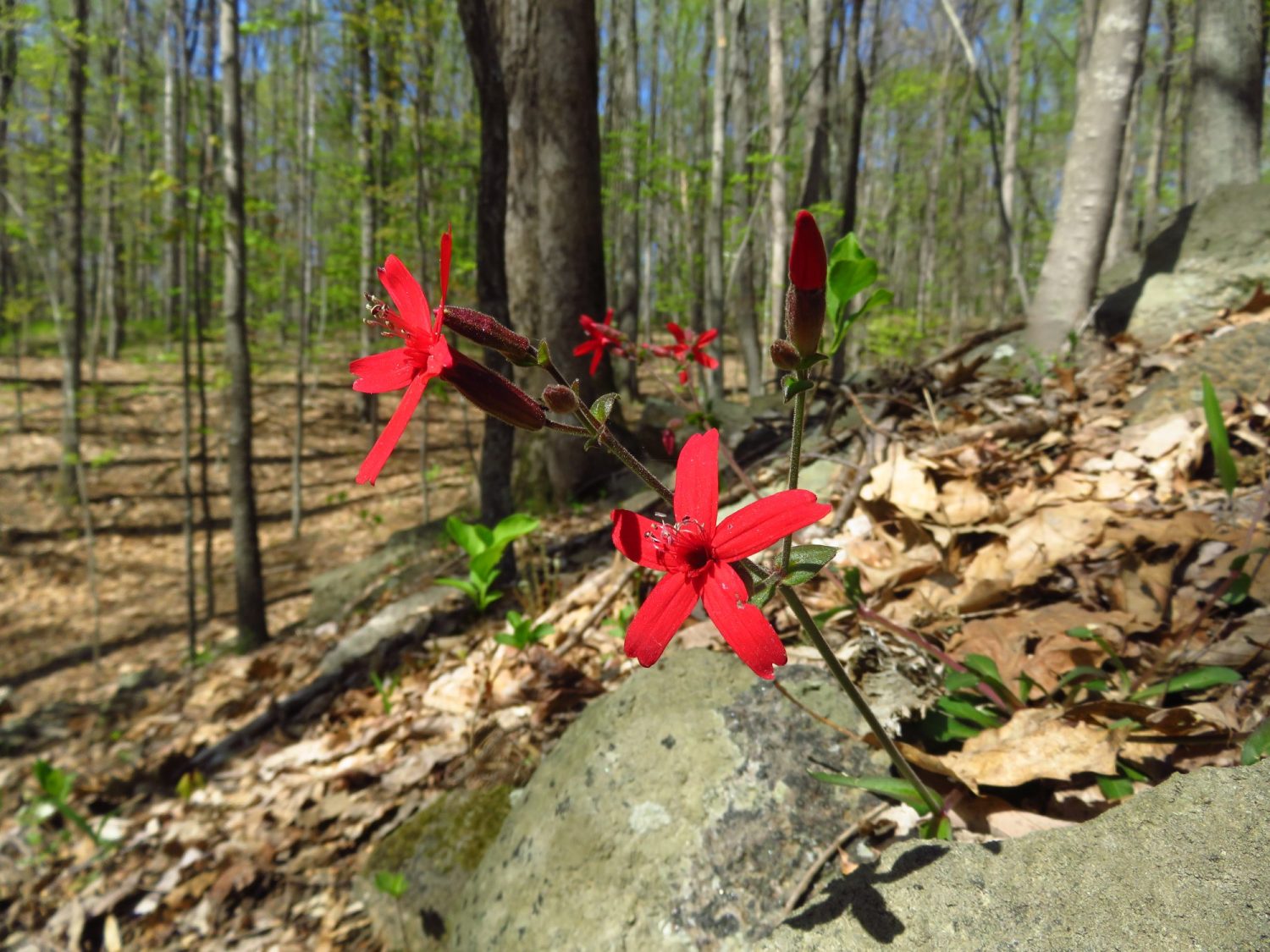
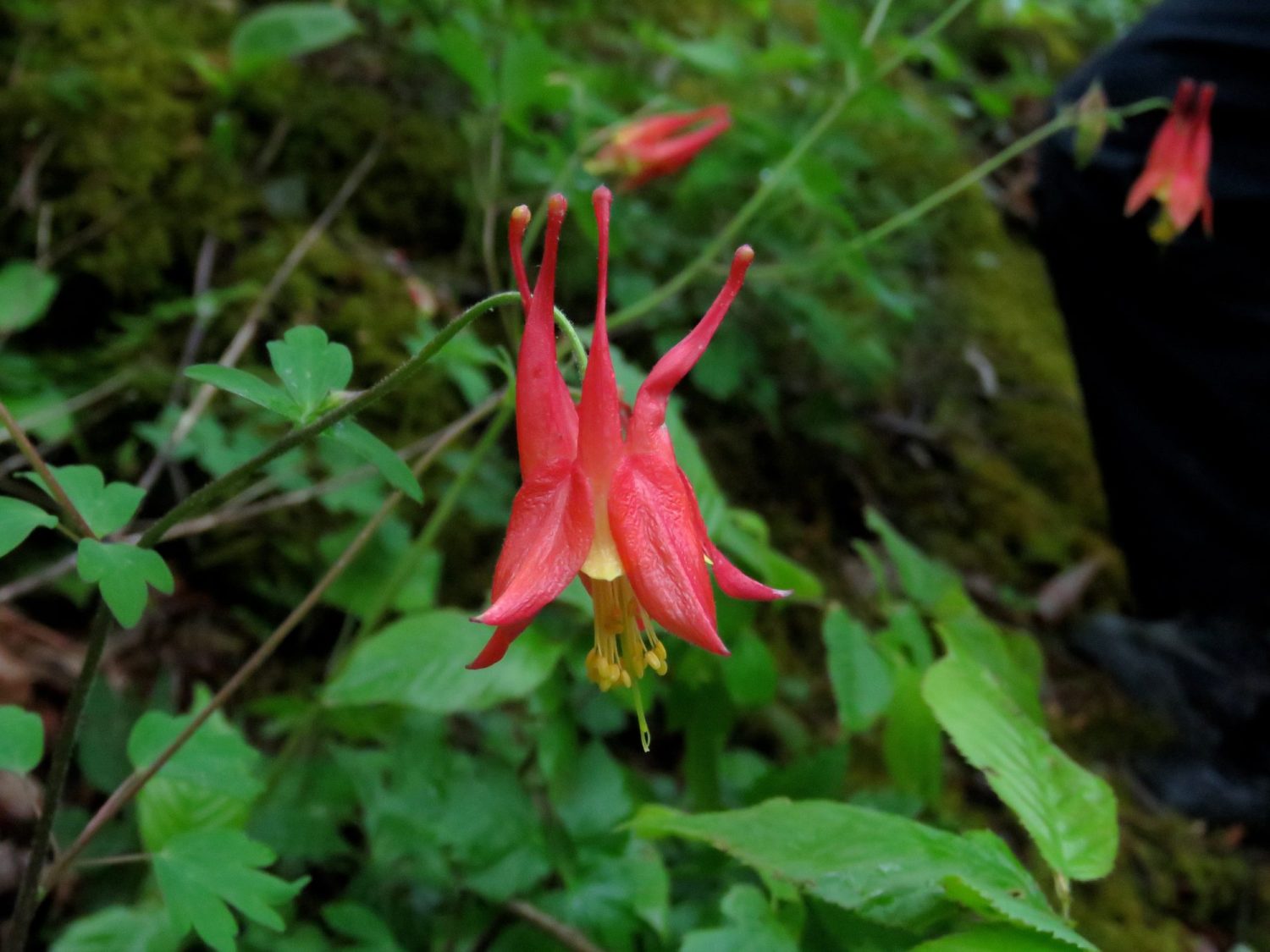
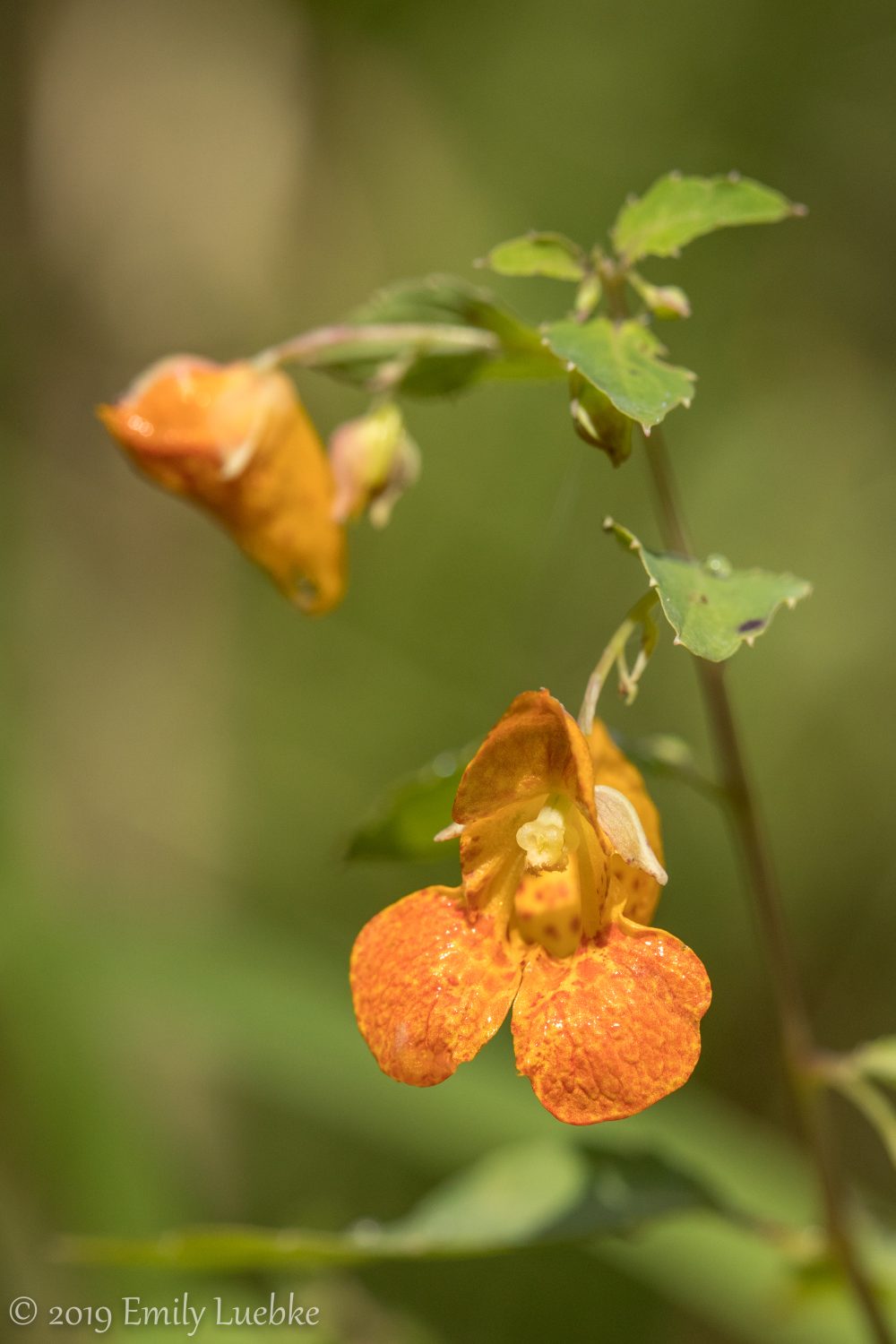
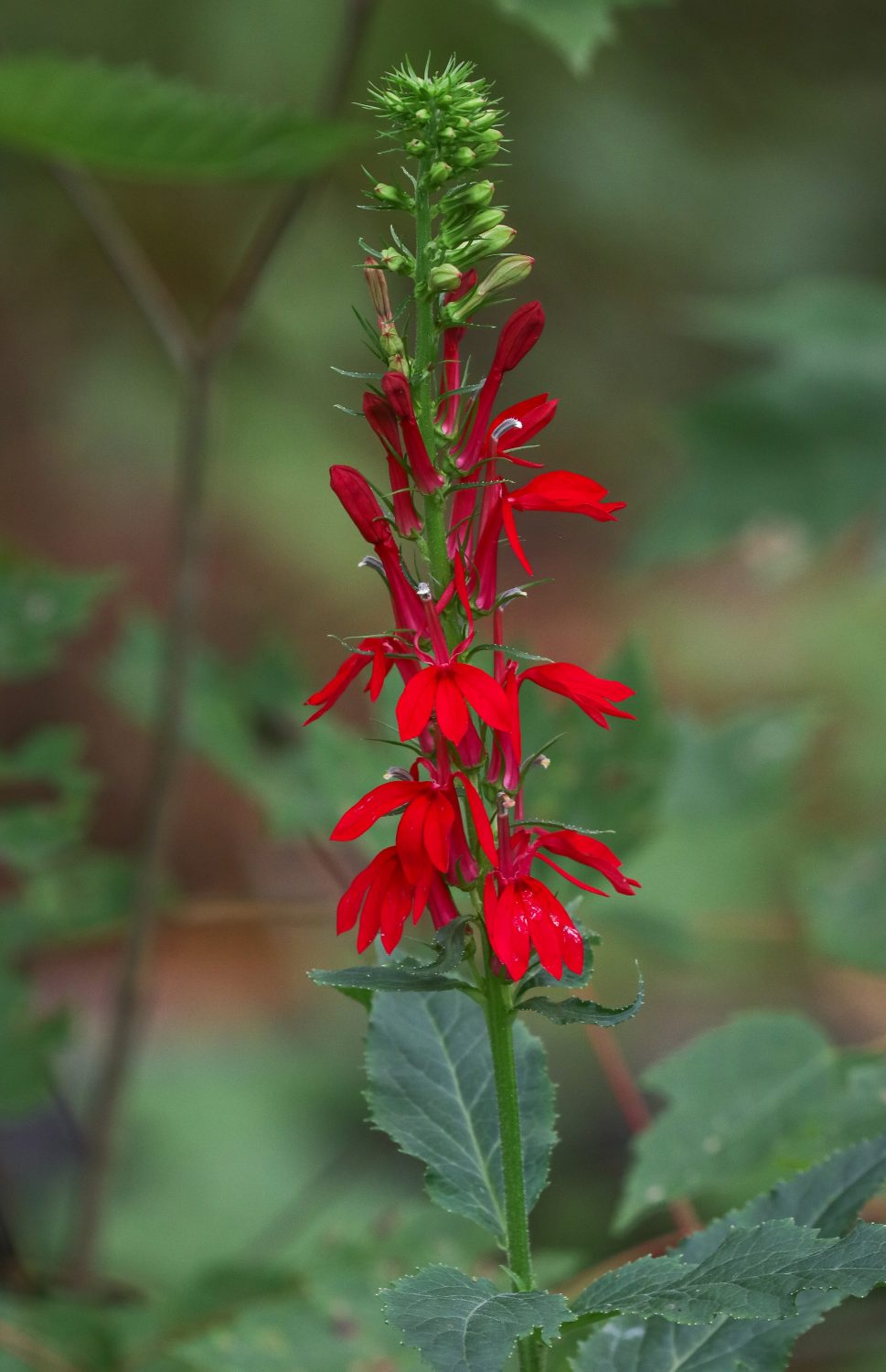
- Bird (Ornithophily) from Greek “ornis” meaning bird
- Bright reds, yellows, orange, or white and often large and funnel shaped. They lack odor (since many birds have a poor sense of smell) and produce abundant nectar deep within the flower with moderate amounts of pollen placed to dust a bird’s head/back. The foremost bird pollinator in eastern North America is the ruby-throated hummingbird (Archilochus colubris).
- Examples: Lilium spp. (lilies), Monarda didyma (scarlet beebalm), Impatiens spp. (touch-me-nots), Lonicera sempervirens (coral honeysuckle), Lobelia cardinalis (cardinal flower), Aquilegia canadensis (wild columbine), Bignonia capreolata (cross-vine), Silene virginica (fire pink)
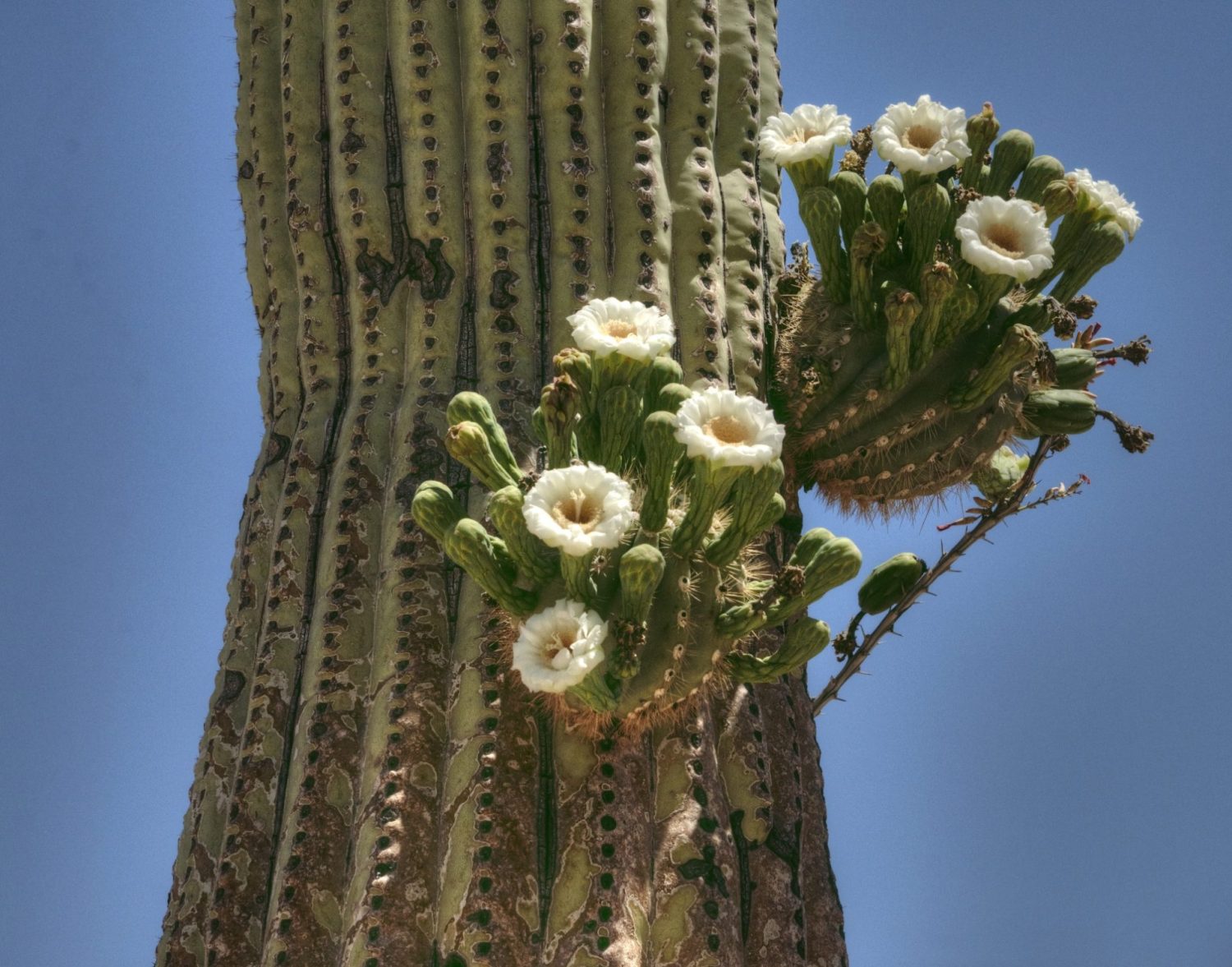
- Bat (Chiropterophily) from the taxonomic order for bat bats, Chiroptera, derived from Greek words “cheir” meaning hand and “pteron” meaning wing
- Flowers are large and pale colored, often white or green, and usually open at night. They are highly fragrant with a fruity or fermenting scent and abundant in both dilute nectar and pollen.
- Bats are important pollinators in southwestern deserts especially among cacti like the Saguaro (Carnegiea gigantea) and Agaves.
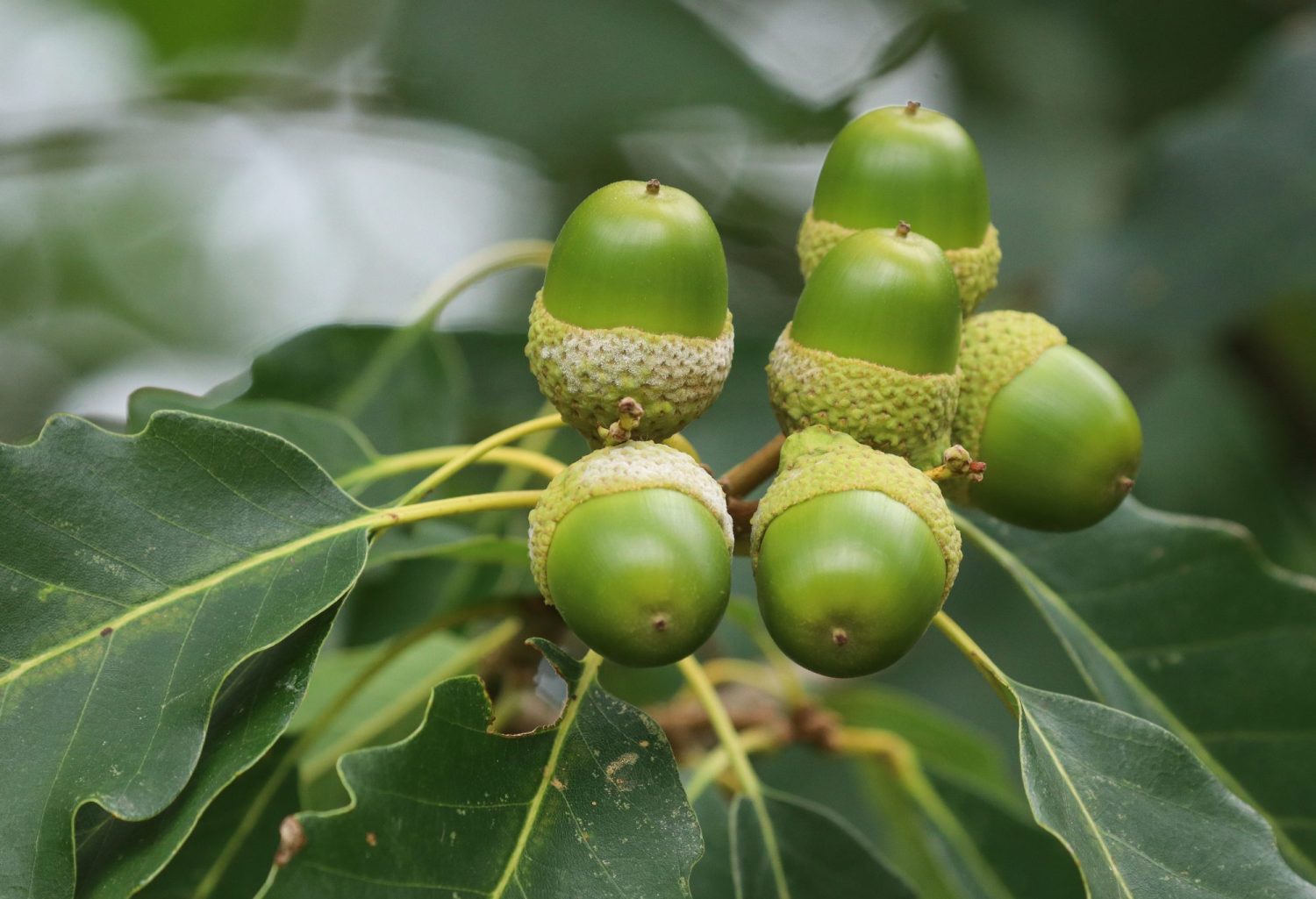
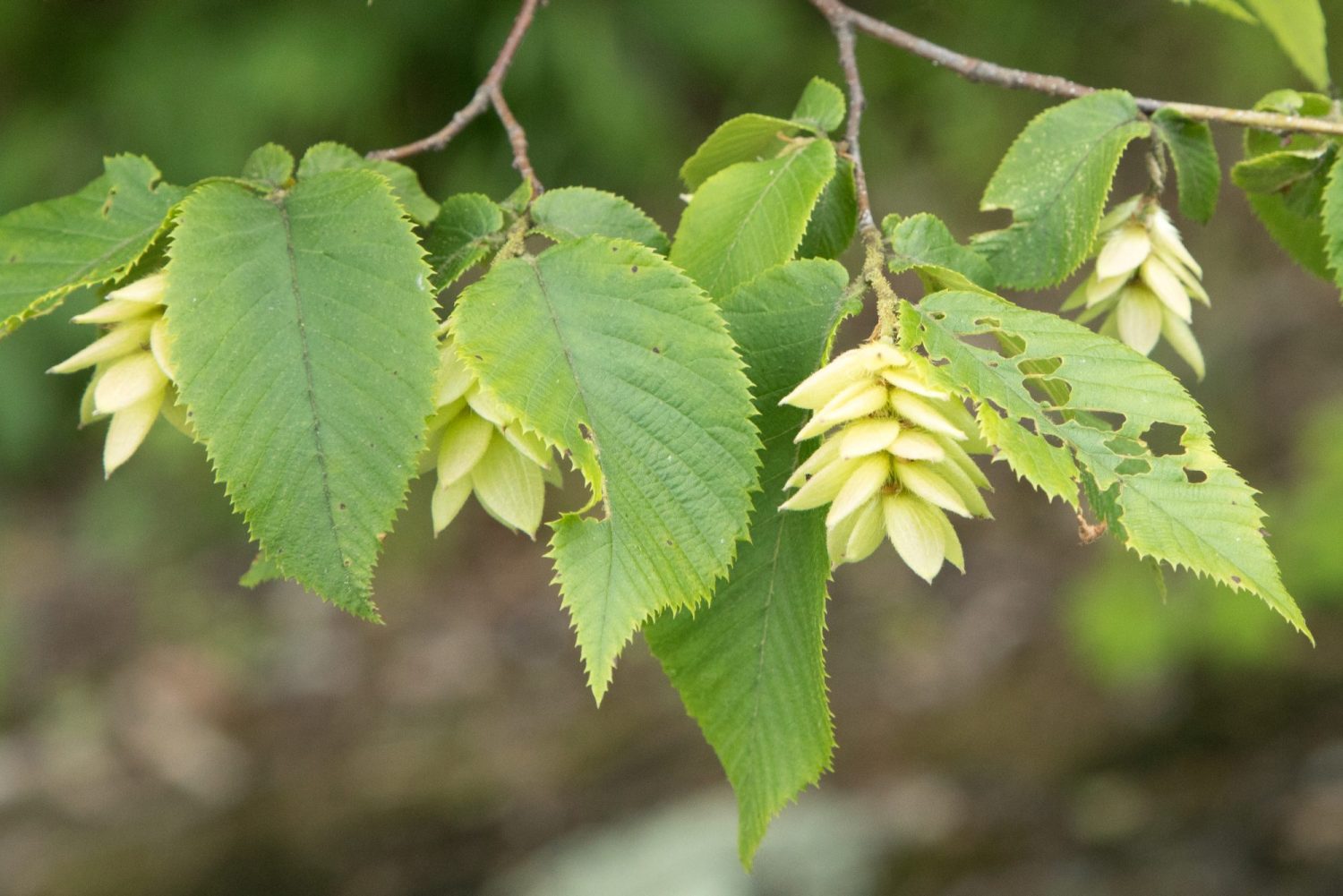
- Wind (Anemophily) from Greek word “anemos” meaning wind
- Plants that rely on wind pollination produce large numbers of dull green, brown, or colorless flowers with petals reduced or absent. These flowers produce tremendous volumes of smooth non-sticky pollen to maximize reproductive success.
- Examples: Quercus spp. (oaks), Fagus grandifolia (beech), Betula spp. (birch), Ostrya virginiana (hop hornbeam), Carya spp. (hickory), Ambrosia spp. (ragweeds), Poaceae (grasses)
The importance of knowing pollinator syndromes comes down to supporting as many animal species as possible with plant species that cater to a diverse suite of pollinators. While some pollinators are generalists, and can be sustained by a wide range of plant species, others are much better supported by a restoration project that includes the plant species that are most attractive to them. Some pollinators are highly selective, only visiting a few genera or, like the spring beauty miner bee (Andrena erigeniae) reliant on a single species or two for survival. The spring beauty miner bee will only gather pollen and nectar from spring beauty flowers (Claytonia caroliniana and virginica). Without the spring beauties, this tiny bee would cease to exist.
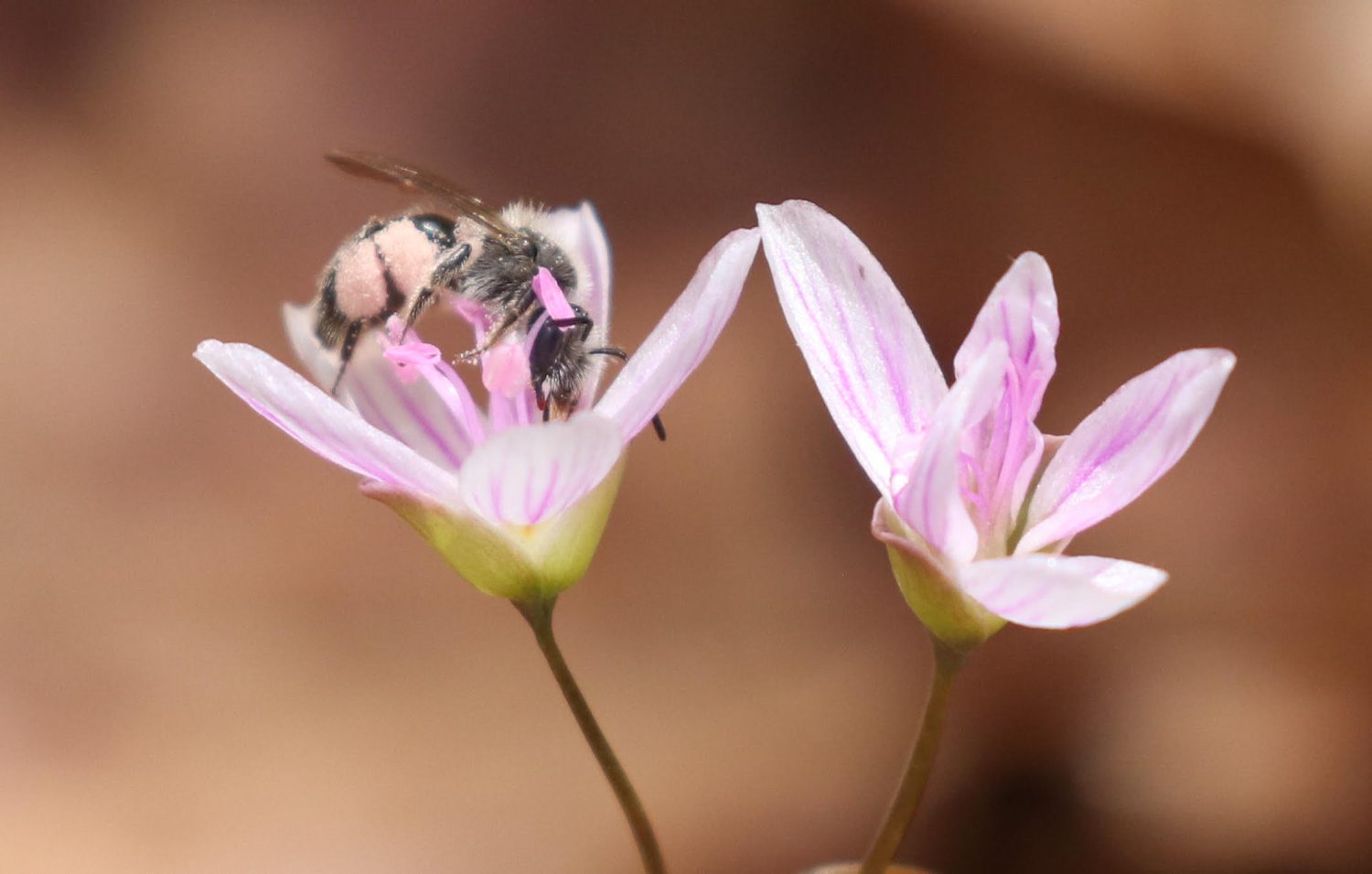
Keeping pollinator syndrome diversity at the forefront of any restoration project is critical for supporting overall biodiversity; and, as they say, diversity is the spice of life!
References
A Primer on Pollinators, Part 3 – Pollination Syndromes. (2015, June 12). Illinois Extension. https://extension.illinois.edu/blogs/garden-scoop/2015-06-12-primer-pollinators-part-3-pollination-syndromes
Bee Redfield, & Pollinator Partnership. (2024). The Evolution of Pollination Blog | Pollinator.org. Pollinator.org. https://www.pollinator.org/blog/evolution-of-pollination
Berendse, F., & Scheffer, M. (2009). The angiosperm radiation revisited, an ecological explanation for Darwin’s “abominable mystery.” Ecology Letters, 12(9), 865–872. https://doi.org/10.1111/j.1461-0248.2009.01342.x
Bond, W. J., & Scott, A. C. (2010). Fire and the spread of flowering plants in the Cretaceous. New Phytologist, 188(4), 1137–1150. https://doi.org/10.1111/j.1469-8137.2010.03418.x
Eierman, K. (2020). Pollinator victory garden : win the war on pollinator decline with ecological gardening : how to attract and support bees, beetles, butterflies, bats, and other pollinators. Quarry Books.
Govaerts, R., Nic Lughadha, E., Black, N., Turner, R., & Paton, A. (2021). The World Checklist of Vascular Plants, a continuously updated resource for exploring global plant diversity. Scientific Data, 8(1). https://doi.org/10.1038/s41597-021-00997-6
Simonin, K. A., & Roddy, A. B. (2018). Genome downsizing, physiological novelty, and the global dominance of flowering plants. PLOS Biology, 16(1), e2003706. https://doi.org/10.1371/journal.pbio.2003706
Tonhasca , A. (2024, August 2). psychophily – Scottish pollinators. Scottish Pollinators. https://scottishpollinators.wordpress.com/tag/psychophily/
University of Illinois College of Agricultural, Consumer, and Environmental Sciences. (n.d.). Help Save our Pollinators. Illinois Extension. Retrieved February 10, 2025, from https://extension.illinois.edu/sites/default/files/help_save_our_pollinators_final.pdf
US Forest Service. (n.d.). Pollinator Syndromes. Department of the Interior USFS. https://www.fs.usda.gov/wildflowers/pollinators/What_is_Pollination/syndromes.shtml
Wojcik, V. (2021). Pollinators: Their Evolution, Ecology, Management, and Conservation. In R. E. Rebolledo Ranz (Ed.), Arthropods – Are They Beneficial for Mankind? IntechOpen. https://www.intechopen.com/chapters/76174
Zuntini, A. R., Carruthers, T., Maurin, O., Bailey, P. C., Leempoel, K., Brewer, G. E., Epitawalage, N., Françoso, E., Gallego-Paramo, B., McGinnie, C., Negrão, R., Roy, S. R., Simpson, L., Toledo Romero, E., Barber, V. M. A., Botigué, L., Clarkson, J. J., Cowan, R. S., Dodsworth, S., & Johnson, M. G. (2024). Phylogenomics and the rise of the angiosperms. Nature, 629, 1–8. https://doi.org/10.1038/s41586-024-07324-0
