Chironomids are small, flying insects with two sets of clear wings and long front legs. The body color varies between species, ranging from light olive to black. In their larval form, chironomids are small and worm-like, with segmented bodies that include a head and “prolegs”. It’s difficult to tell the various species of non-biting midges apart without the aid of a microscope. Chironomids belong in the order Diptera, making them “true flies”. These midges can look very similar to mosquitos, but are not biting insects. Male midges can have feathery antennae, while female midges have slender antennae.
Category Archives: Creature Feature
The common raven is a large, all-black bird with a shaggy throat and wedge-shaped tail; often found singly, in small flocks of young birds, or in mated pairs. The raven is not to be confused with the American crow, which is smaller in all regards, lacks the shaggy throat and wedge-shaped tail, and is much more gregarious, often appearing in small to large flocks.
Eastern chipmunks can be found living on the forest floor, where they forage for food and make their burrows. Quick and shy, they are most often spotted in motion as they run along the ground and fallen logs. Their genus, Tamias means “treasurer” in Greek, as they forage for seeds, berries and nuts, which they store in their burrows, a behavior known as “caching”. They also will eat insects, mushrooms, earthworms, and even smaller rodents such as mice! They mate in the early spring, and typically have between 1-8 young. In the fall, they spend much of their time foraging for food to cache in order to survive the winter. During prolonged cold periods, they enter a state of torpor, where their metabolism and heart rate slow down dramatically. In addition to being valuable dispersers of the seeds of many plants, eastern chipmunks serve as an important food source for foxes, raccoons, hawks, and owls.
By Ezra Staengl, Center for Urban Habitats Hoary Edge Achalarus lyciades Family: Hesperiidae Other common names: Hoary Edge Skipper A hoary edge butterfly skipped through the air, the bright […]
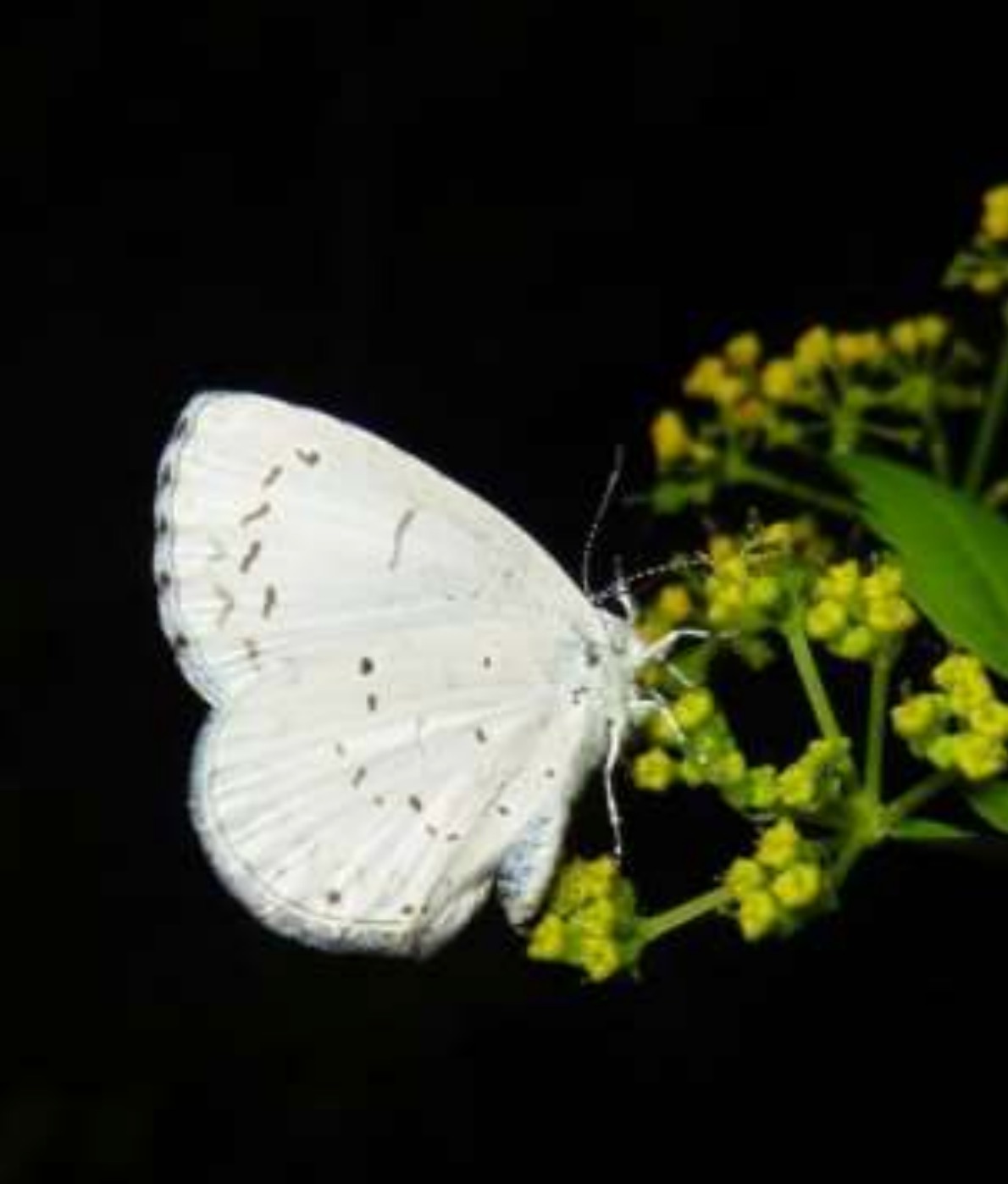
Late in the 19th century an unusually large and pale “Summer Azure” was being studied throughout the Appalachian range of the east, and evidence for a completely new species was beginning to emerge. Eventually studies would prove that this mountain species of azure was indeed distinctly different.
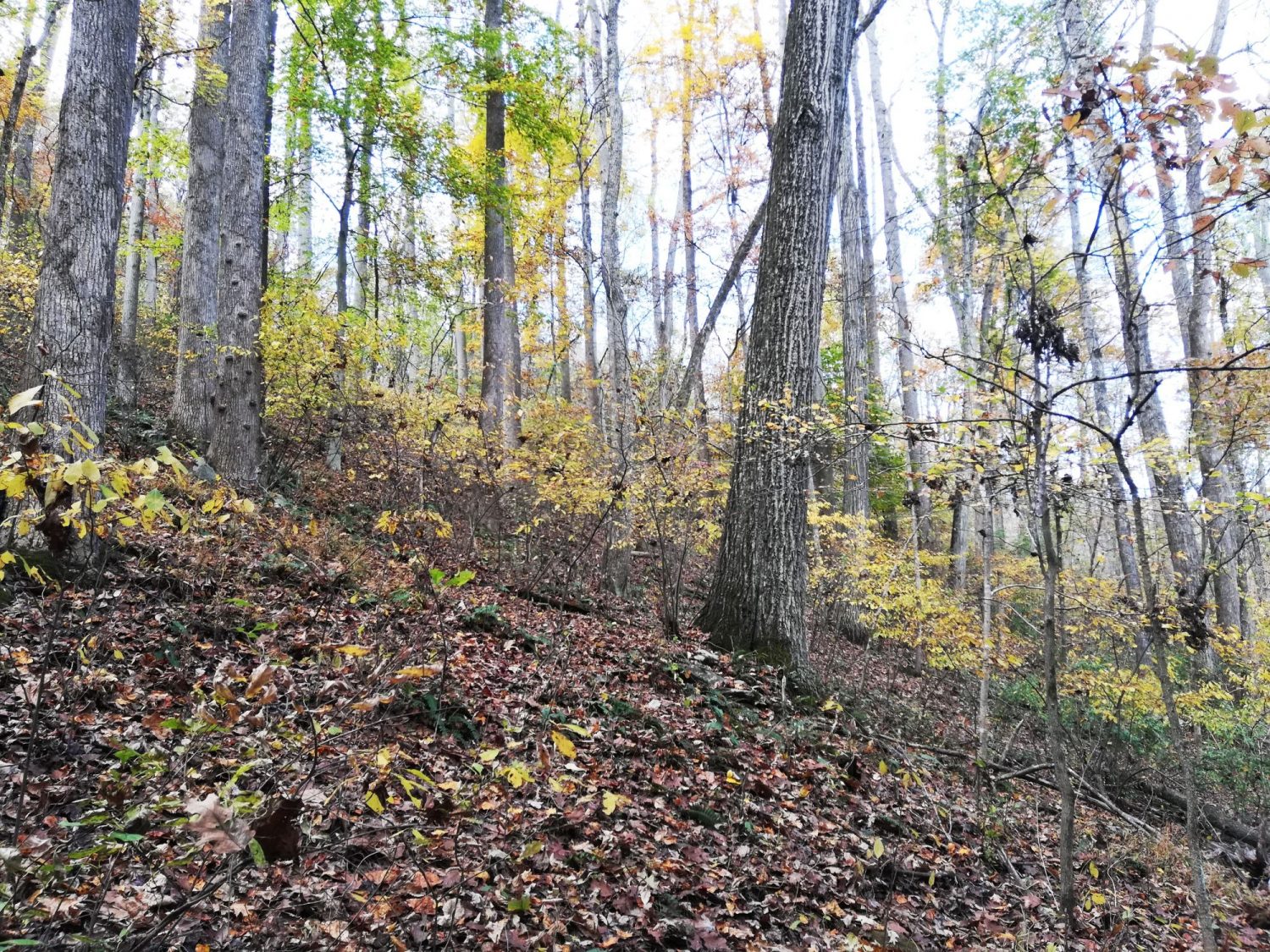
Center for Urban Habitats begins Biological Assessment of newly acquired Charlottesville Park Land in Albemarle County, Va. By Devin Floyd, Center for Urban Habitats November 11, 2019 Center for Urban […]
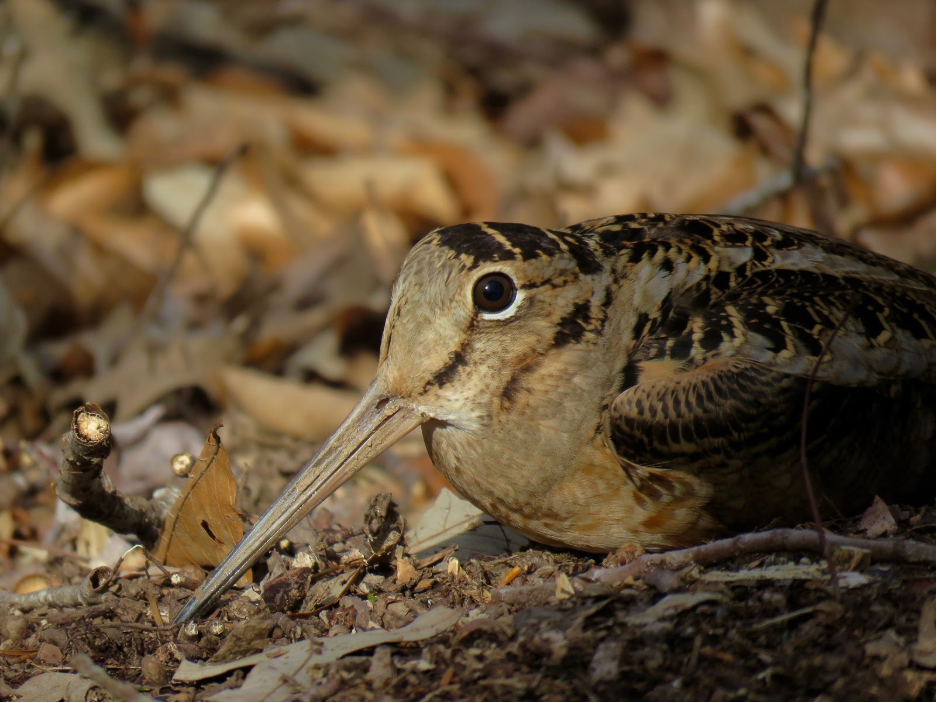
By Ezra Staengl, Center for Urban Habitats American Woodcock Scolopax minor Family: Scolopacidae Other common names: Timberdoodle, Labrador Twister, Big-eye, Bog Snipe, Bog Sucker, Night Partridge I stood at […]
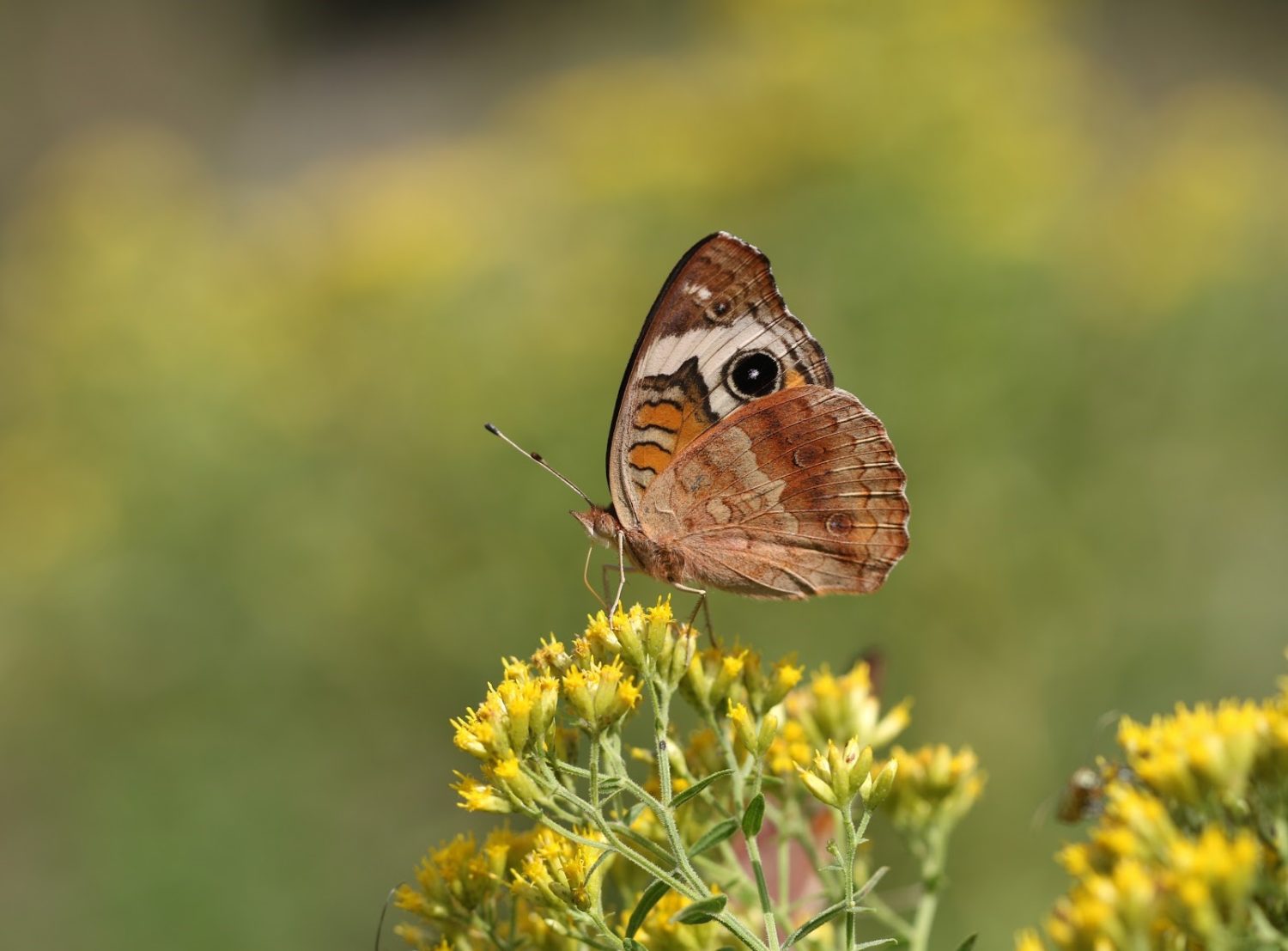
By Ezra Staengl, Center for Urban Habitats Common Buckeye Junonia coenia Family: Nymphalidae Distinguishing Features/Description: Common buckeyes are medium sized, brightly colored and strikingly patterned butterflies. Each of the […]
By Drew Chaney, Center for Urban Habitats Painted Skimmer Libellula semifasciata Family: Libellulidae Distinguishing Features/Description: The painted skimmer is a medium-sized, showy dragonfly with a translucent orange thorax and […]
By Ezra Staengl, Center for Urban Habitats Northern Bobwhite Colinus virginianus Family: Odontophoridae Other common names: Bobwhite Quail, Virginia Quail Distinguishing Features/Description Northern bobwhites are a small, round bodied species […]